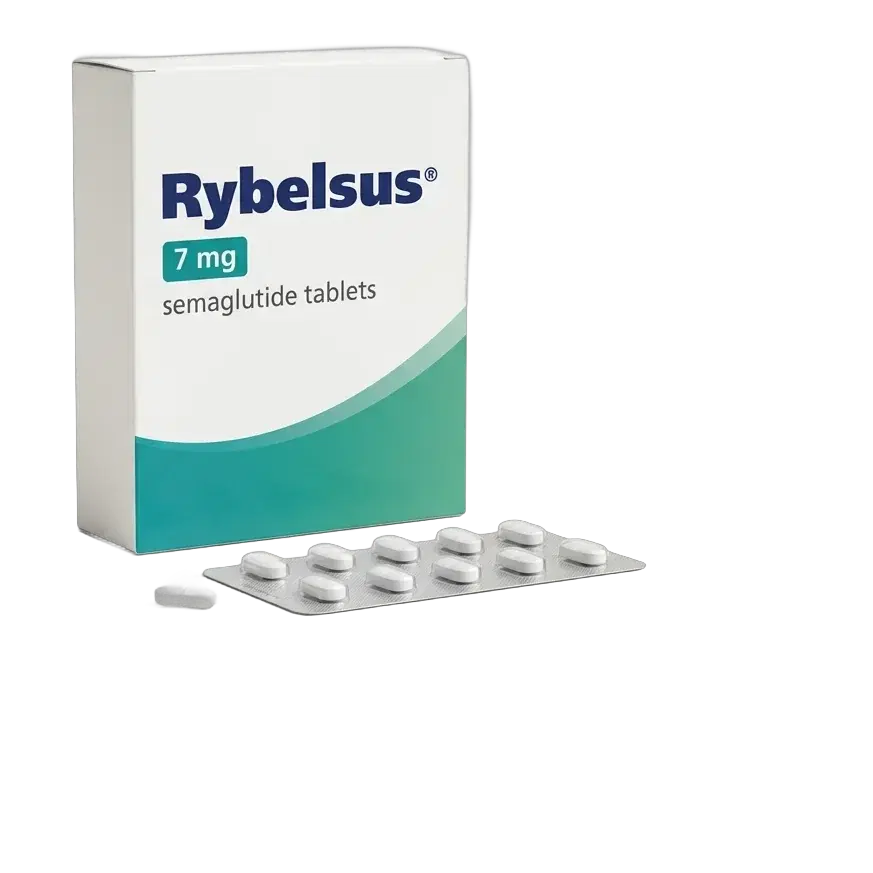
Rybelsus vs injectable semaglutide
Both contain semaglutide, but route, absorption, dosing, authorised uses and switching rules are not interchangeable.

DIRECT ANSWER
An online consultation lets an EU-licensed doctor review your case and, if appropriate, issue a prescription that is valid across the EU.
Less than 4 hours on average
Prescription issued in less than 4 hours on average if approved.
EU-licensed doctors
Every case is reviewed by a licensed clinician.
Valid across the EU
Approved prescriptions can be used at any EU pharmacy.
In this article
HOW IT WORKS
From consultation to collection
- 1
Step 1
Consultation
Answer a secure medical questionnaire online.
- 2
Step 2
Doctor reviews
An EU-licensed doctor personally assesses your case.
- 3
Step 3
Prescription in less than 4 hours on average
If approved, your prescription is issued in less than 4 hours on average.
- 4
Step 4
Collect at any EU pharmacy
Use an approved prescription at a pharmacy anywhere in the EU.
Rybelsus and some weekly injections contain the same active substance, semaglutide. That does not make equal milligram doses equivalent. Oral absorption is low and variable, while injection bypasses the digestive tract. Each product has its own authorised indications, strengths and escalation schedule.
Daily tablet vs weekly injection
Rybelsus requires a precise fasting routine every day. Injectable semaglutide is usually administered weekly according to the selected product, but requires comfort with injection and storage instructions. Preference matters only after the clinician confirms that the product and indication fit.
Different exposure and dose numbers
Tablet and injection dose numbers cannot be converted by simple arithmetic. Even oral formulations can change strength when manufacturers introduce versions with different bioavailability. Switching instructions specify timing and starting strength to avoid gaps or excessive exposure.
Shared and product-specific risks
Both routes can cause nausea, vomiting, diarrhoea and reduced appetite and carry GLP-1-class precautions. Oral treatment adds fasting and absorption considerations; injections add injection-site and device technique issues. The authorised diabetes or weight-management use depends on the exact product, not semaglutide as a generic idea.
When to seek help
Seek prompt care for severe persistent abdominal pain, repeated vomiting with dehydration, sudden or rapidly worsening vision, a severe allergic reaction or symptoms of very low blood sugar. Pregnancy, plans to conceive, breastfeeding, diabetic eye disease, kidney problems, previous pancreatitis and medicines that lower glucose all need specific review.
What to prepare for a medical review
A clinician will confirm the diagnosis and treatment goal, current HbA1c or glucose pattern, other diabetes medicines, kidney and eye history, gastrointestinal symptoms, and whether the fasting administration routine is realistic. Never change strength, split tablets or combine semaglutide products on your own.
A calm next step
Do not use oral and injectable semaglutide together or improvise any overlap during a planned medication switch. Obtain written instructions for the last old dose, the timing and strength of the first new dose, early warning symptoms and the planned monitoring over the following weeks.
Clinical sources used: European Medicines Agency Rybelsus EPAR, Summary of Product Characteristics and package leaflet.