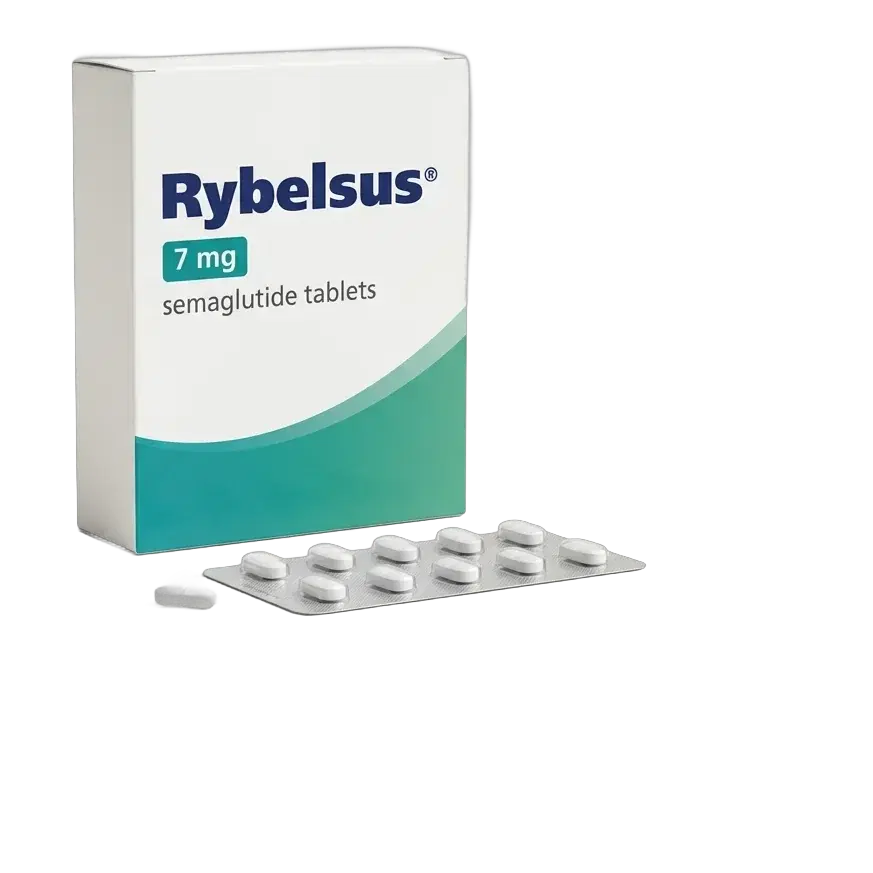
Rybelsus side effects and warning signs
Nausea, diarrhoea and abdominal symptoms are common. Persistent severe pain, dehydration or sudden vision change need prompt review.

DIRECT ANSWER
An online consultation lets an EU-licensed doctor review your case and, if appropriate, issue a prescription that is valid across the EU.
Less than 4 hours on average
Prescription issued in less than 4 hours on average if approved.
EU-licensed doctors
Every case is reviewed by a licensed clinician.
Valid across the EU
Approved prescriptions can be used at any EU pharmacy.
In this article
HOW IT WORKS
From consultation to collection
- 1
Step 1
Consultation
Answer a secure medical questionnaire online.
- 2
Step 2
Doctor reviews
An EU-licensed doctor personally assesses your case.
- 3
Step 3
Prescription in less than 4 hours on average
If approved, your prescription is issued in less than 4 hours on average.
- 4
Step 4
Collect at any EU pharmacy
Use an approved prescription at a pharmacy anywhere in the EU.
Digestive side effects are common with oral semaglutide, particularly while the body adapts or after a dose increase. Gradual escalation is intended to improve tolerability. Symptoms should still be taken seriously when they are severe, persistent or prevent fluids and food from staying down.
Common digestive effects
Nausea, diarrhoea, vomiting, abdominal pain, constipation, reduced appetite and indigestion can occur. Smaller meals, stopping when full and avoiding very rich meals may help, but follow personalised diabetes and nutrition advice. Repeated vomiting or diarrhoea can cause dehydration and worsen kidney function.
Low blood sugar and other medicines
Semaglutide alone has a lower hypoglycaemia risk than insulin, but risk rises when it is combined with insulin or a sulfonylurea. Sweating, shaking, hunger, confusion or palpitations should be managed using the diabetes plan. The prescriber, not the patient, decides whether another glucose-lowering medicine needs adjustment.
Important warning symptoms
Severe persistent abdominal pain, with or without vomiting, can suggest pancreatitis. Sudden vision loss or rapid visual change requires urgent assessment; EMA has added a very rare optic-nerve condition to semaglutide safety information. Diabetic retinopathy can also worsen in some people as glucose control changes.
When to seek help
Seek prompt care for severe persistent abdominal pain, repeated vomiting with dehydration, sudden or rapidly worsening vision, a severe allergic reaction or symptoms of very low blood sugar. Pregnancy, plans to conceive, breastfeeding, diabetic eye disease, kidney problems, previous pancreatitis and medicines that lower glucose all need specific review.
What to prepare for a medical review
A clinician will confirm the diagnosis and treatment goal, current HbA1c or glucose pattern, other diabetes medicines, kidney and eye history, gastrointestinal symptoms, and whether the fasting administration routine is realistic. Never change strength, split tablets or combine semaglutide products on your own.
A calm next step
Before starting, know how to contact the diabetes team and what to do during vomiting or reduced intake. Report side effects promptly rather than silently skipping, restarting or changing prescribed doses on your own.
Clinical sources used: European Medicines Agency Rybelsus EPAR, Summary of Product Characteristics and package leaflet.