Rosacea care, guided by a doctor
Tell us your triggers and symptoms, add photos, and get a doctor-selected topical plan for redness or spots.
Consultation with photo review. Medicine paid at the pharmacy.
- Doctor reply
- Under 4 working hours on average
- Photos
- 1 to 3
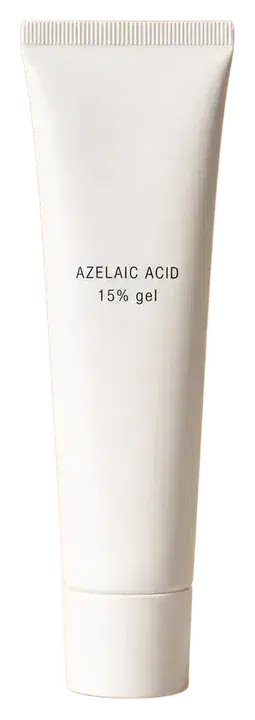
The photo review step
The doctor needs 1 to 3 clear photos to confirm the diagnosis and rule out other causes.
- Daylight, facing a window
- No make-up or filters
- Front and each side of the face
Treatment approach
Treatment is chosen by the doctor after the photo review.
Your skin and your photos
Skin type, the pattern of the problem and how long it has lasted.
What you have already tried
Products, previous treatments, allergies and pregnancy.
The doctor's decision
If a prescription treatment is appropriate, the doctor explains which one, how to use it and for how long. If none of the standard options fits, the doctor can discuss other alternatives in the consultation.
What to expect over the weeks
Photo review
The doctor confirms rosacea and chooses a treatment.
Getting started
Mild stinging can happen at first and usually settles.
Review point
The doctor checks how your skin is responding and adjusts the plan.
Ongoing care
Avoid your triggers; the doctor can adjust the plan in the chat.
One consultation, one clear price
You pay for the doctor's consultation. If a prescription is issued, the medicine is paid at your own pharmacy.
- Consultation reviewed by an EU-licensed doctor
- Private follow-up in the in-app chat
- Full refund if the doctor does not approve
Skin

- Consultation reviewed by an EU-licensed doctor
- Photo review of your skin
- Electronic prescription if approved
Full refund if a review is not approved
What to know before your consultation
Who the rosacea consultation suits
The rosacea consultation is for adults with typical facial redness, flushing or bumps whose pattern is clear from photos. Rosacea can look like acne, seborrhoeic dermatitis or lupus, so the doctor refers you in person if the diagnosis is not clear. Eye symptoms such as grittiness, burning or redness, a thickening nose, and rosacea that has not responded to previous treatment also need in-person care. If you are pregnant, planning a pregnancy or breastfeeding, the doctor reviews your case individually rather than prescribing from the standard list.
Beyond the prescription for rosacea
Daily sunscreen of at least SPF 30, gentle skin care for sensitive skin and avoiding your triggers help control rosacea. Common triggers include sun, heat, alcohol, spicy food, hot drinks and stress. Visible blood vessels are usually treated with laser or intense pulsed light, which is done in person. Oral treatments for more extensive rosacea are prescribed by your family doctor or a dermatologist. If the doctor decides online treatment is not appropriate, they tell you why and the consultation fee is refunded in full.
Living with rosacea long term
Rosacea cannot be cured, but treatment can control it, and it can get worse if left untreated. The doctor sets a review point in your plan, and at the end of the course a follow-up consultation with new photos decides whether to continue, switch or step down to maintenance. Flares can return after treatment stops, so many people keep up sun protection and trigger avoidance long term. Write to the doctor in the chat if redness worsens, spots do not improve or any eye symptoms appear.
Sources
- electronic medicines compendium (emc), regulator-approved SmPC. Finacea 15% gel (azelaic acid): Summary of Product Characteristics (2024)
- Journal of the American Academy of Dermatology (PubMed 12789172). Azelaic acid 15% gel for papulopustular rosacea: two vehicle-controlled randomised phase III studies (Thiboutot D et al., J Am Acad Dermatol 2003;48(6):836-845) (2003)
- NHS (nhs.uk). Rosacea (2026)
- British Journal of Dermatology (PubMed 31392722). Recommendations for rosacea diagnosis, classification and management: update from the global ROSacea COnsensus 2019 panel (Schaller M et al., Br J Dermatol 2020;182(5):1269-1276) (2020)
- electronic medicines compendium (emc), regulator-approved SmPC. Rozex 0.75% w/w cream (metronidazole): Summary of Product Characteristics (2024)
- British Journal of Dermatology (PubMed 30585305). Interventions for rosacea based on the phenotype approach: updated systematic review including GRADE assessments (van Zuuren EJ et al., Br J Dermatol 2019) (2019)
- J Eur Acad Dermatol Venereol (PubMed 26691278). Maintenance of remission after ivermectin 1% vs metronidazole 0.75% cream: 36-week extension of the ATTRACT randomised study (Taieb A et al., J Eur Acad Dermatol Venereol 2016) (2016)
Sources checked on September 29, 2026
More on this skin concern
Rosacea
Persistent facial redness and spots: prescription topical treatment reviewed by a doctor.
Facial redness and flushing
When persistent redness on the cheeks and nose may be rosacea and how it is assessed online.
Rosacea treatment: what works for redness, bumps and flushing
Which options suit which features, how long they take and how to keep flares down.
Rosacea triggers: what the evidence says and how to track yours
Doctor-reviewed articles
Acne
Doctor-selected topical treatment for mild to moderate acne.
Melasma
Supervised depigmenting treatment for dark facial patches.
Anti-ageing
Prescription topical care for fine lines and sun-damage texture.
Your questions answered
Who is the rosacea consultation for?
Which rosacea treatments can the doctor prescribe?
Do I need to send photos?
How long does a rosacea course last?
What else helps besides the prescription?
Can I use rosacea treatment while pregnant or breastfeeding?
What does it cost, and how do I get a compounded formula?
What side effects can rosacea treatment cause?
Can I wear make-up during treatment?
Does treatment help visible blood vessels?
How do I keep rosacea under control after the course?
Your rosacea consultation starts here
A doctor reviews your photos and replies in under 4 working hours on average.
Start rosacea consultationIf the doctor cannot treat you online, we refund the full amount.
If the doctor does not approve treatment, we refund the full amount. Every consultation is fully refundable. How refunds work