Weight loss3 minute read
Rybelsus missed doses, monitoring and when to review
Do not double a missed dose. Track glucose, tolerance and agreed laboratory outcomes rather than judging from appetite alone.
DIRECT ANSWER
An online consultation lets an EU-licensed doctor review your case and, if appropriate, issue an electronic prescription; each pharmacy decides whether it can dispense it.
Doctor reply in under 2 hours
Average doctor reply under 2 hours; at night and on public holidays it can take longer, always within 24 hours. A prescription only if appropriate.
EU-licensed doctors
Every case is reviewed by an EU-licensed doctor.
Electronic prescription
Each pharmacy decides whether it can dispense an approved prescription; some do not accept PDF prescriptions.
HOW IT WORKS
From consultation to collection
- 1
Consultation
Answer a secure medical questionnaire online.
- 2
Doctor reviews
An EU-licensed doctor personally assesses your case.
- 3
Prescription only if appropriate
The doctor replies in under 2 hours on average and issues a prescription only if it is clinically appropriate.
- 4
Collect at the pharmacy you choose
Take an approved prescription to the pharmacy you choose; each pharmacy decides whether it can dispense it.
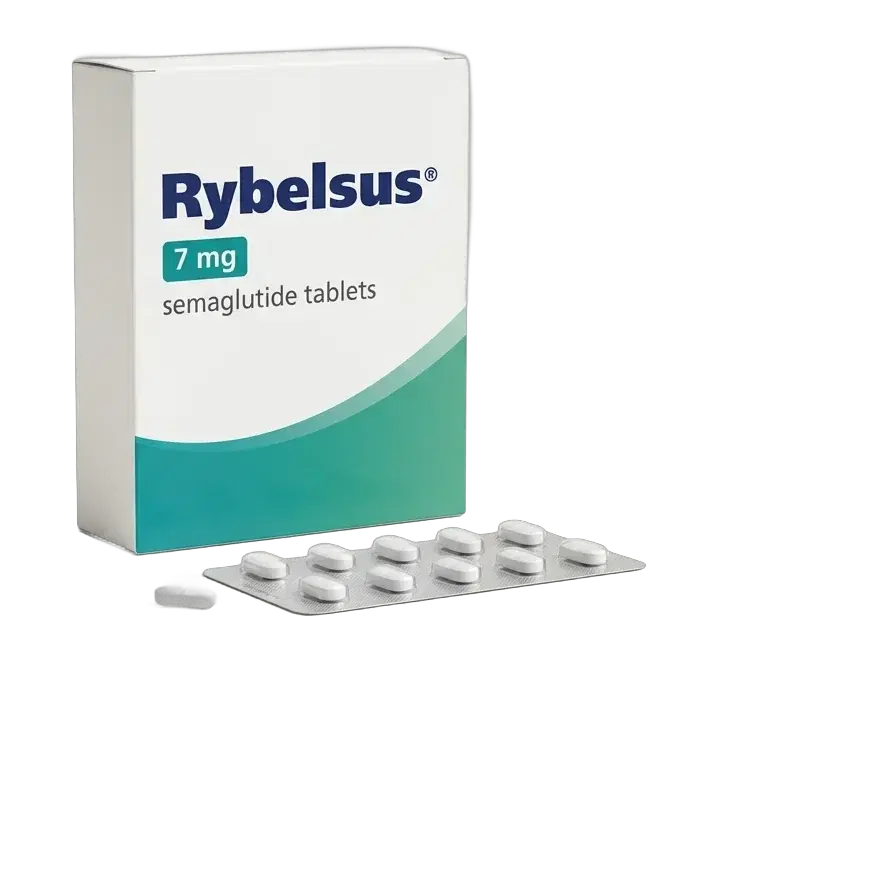
A missed tablet or a difficult week does not need improvisation. The current Rybelsus leaflet advises skipping a missed dose and taking the next dose the following day. Doubling can increase side effects without reliably restoring the missed exposure.
After a missed dose
Resume the normal once-daily schedule at the next planned time. If several doses were missed, vomiting has continued or treatment was stopped after an illness, contact the prescriber before restarting or escalating. Do not use appetite or nausea as a signal to choose the strength.
What monitoring measures
HbA1c and home glucose data where advised show whether diabetes control is improving. Weight, appetite, digestive tolerance, hydration, kidney function and eye symptoms may also be reviewed. If insulin or a sulfonylurea is used, glucose monitoring and hypoglycaemia planning are especially important.
When “not working” needs investigation
Inconsistent fasting administration, missed doses, interfering morning medicines, an insufficient treatment period or an inappropriate dose can all reduce apparent response. Type 2 diabetes also changes over time. The answer may be technique, adherence, dose review or another medicine, not automatically taking more semaglutide.
When to seek help
Seek prompt care for severe persistent abdominal pain, repeated vomiting with dehydration, sudden or rapidly worsening vision, a severe allergic reaction or symptoms of very low blood sugar. Pregnancy, plans to conceive, breastfeeding, diabetic eye disease, kidney problems, previous pancreatitis and medicines that lower glucose all need specific review.
What to prepare for a medical review
A clinician will confirm the diagnosis and treatment goal, current HbA1c or glucose pattern, other diabetes medicines, kidney and eye history, gastrointestinal symptoms, and whether the fasting administration routine is realistic. Never change strength, split tablets or combine semaglutide products on your own.
A calm next step
Set a formal review date with the prescriber and bring glucose data plus a description of the morning routine. Safe diabetes treatment is judged by clinical outcomes, day-to-day tolerability and agreed laboratory targets over the agreed review period, not by changing social-media expectations.
Clinical sources used: European Medicines Agency Rybelsus EPAR, Summary of Product Characteristics and package leaflet.