Hair growth
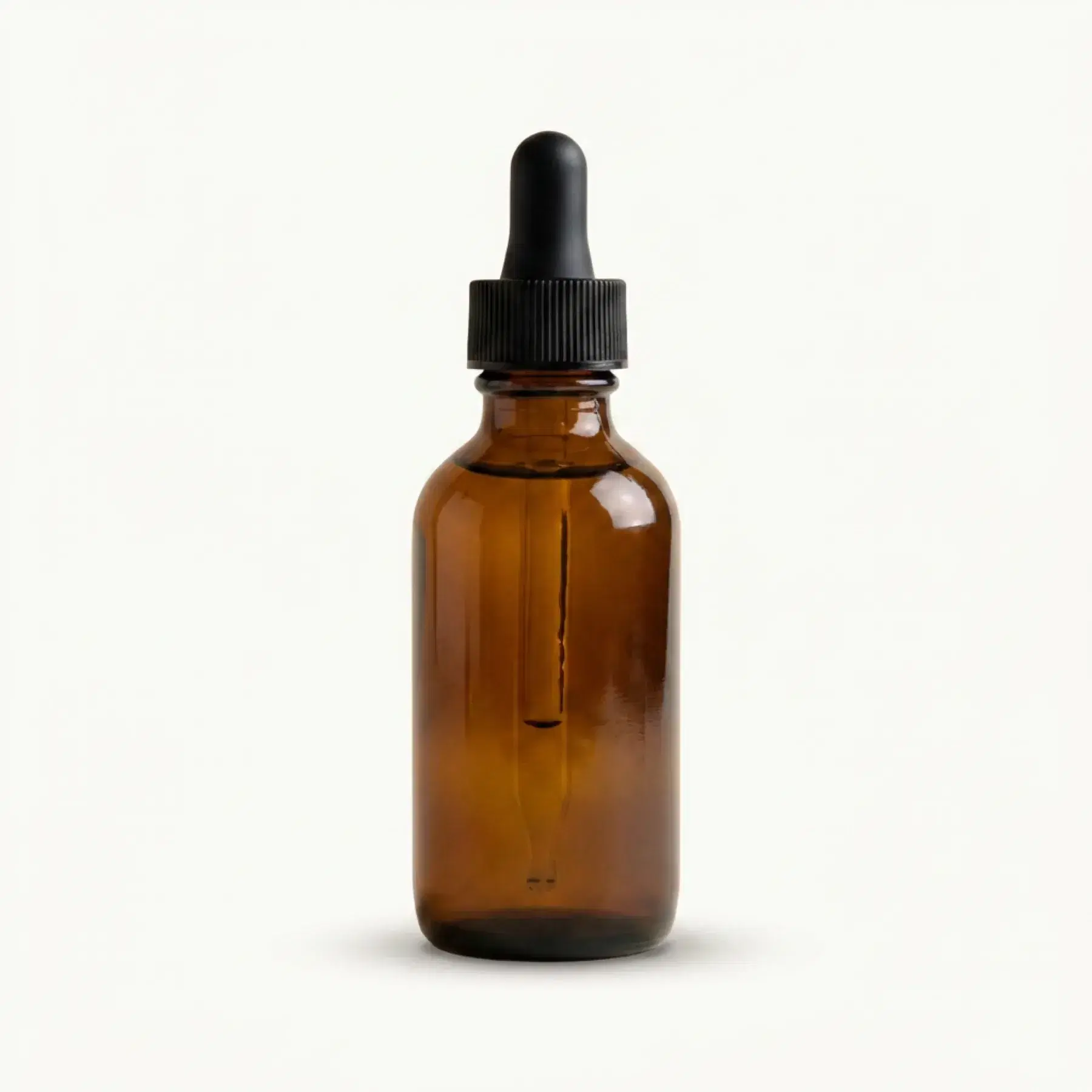
Finasteride and minoxidil scalp-spray guide
How to use the prescribed compounded spray, protect other people from transfer, and monitor scalp and whole-body effects.
01 / 08
How to use
- 01
Step 1
What this treatment is
This compounded formula combines topical finasteride, which lowers DHT activity in the scalp, with minoxidil, which supports the hair-growth phase. The enhanced and basic preparations have different vehicles or added ingredients; use only the formula and strength on your pharmacy label. The fixed combination is compounded and not an authorised medicinal product.
- 02
Step 2
Apply it only as prescribed
Apply the prescribed 2–4 sprays once daily to a dry scalp and spread gently over the thinning area. Do not wash the area for the time on your label: the enhanced prescription specifies at least 6 hours, while the basic formula specifies 4 hours. Do not exceed the prescribed number of sprays.
- 03
Step 3
Prevent transfer and check other treatments
Wash your hands after use and let the scalp dry before it touches another person, a pillow, or a hat. Keep it away from the eyes, mouth, broken skin, and other body areas. Tell the prescriber about every scalp product and any oral finasteride, dutasteride, or minoxidil; do not combine them without review. If you miss an application, continue with the next scheduled one and do not apply extra.
02 / 08
Dose schedule
- 01
Step 1
Before the first dose
Your prescriber confirms the cause and pattern of hair loss, reviews other medicines and relevant medical history, and records any baseline monitoring needed for your formulation.
- 02
Step 2
During the first months
Use only the prescribed amount. Take one scalp photograph each month in the same light and note any new symptoms. Do not change the strength or add another hair medicine before your review.
- 03
Step 3
At follow-up
The clinician reviews tolerance and the photographs before deciding whether to continue, adjust, or stop. Do not judge the result from day-to-day changes.
03 / 08
Side effects
Scalp and hair effects
Dryness, redness, itching, flaking, contact dermatitis, unwanted hair outside the treated area, and temporary early shedding can occur. Stop and ask for advice if irritation is severe or persistent.
Whole-body effects
Absorption through the skin is usually limited, but dizziness, palpitations, swelling, breast changes, sexual symptoms, or mood changes need medical review. Seek urgent care for chest pain, fainting, breathing difficulty, or facial swelling.
04 / 08 · Do not use if
Do not apply without medical clearance
- If you are pregnant, could be pregnant, are breastfeeding, or are trying to conceive
- On an inflamed, infected, painful, sunburnt, or broken scalp
- If you are allergic to any ingredient or relevant heart or blood-pressure problems have not been reviewed
Anyone who is pregnant must avoid contact with the solution and the wet treated scalp.
05 / 08 · When to contact your doctor
Contact your doctor if
- Chest pain, fainting, trouble breathing, a rapid heartbeat, or swelling of the face or throat — seek urgent medical care
- Severe or persistent scalp irritation, dizziness, palpitations, swelling, breast changes, sexual symptoms, or mood changes
06 / 08
Storage
Keep the bottle tightly closed in its original package, away from heat, sparks, and flames, and out of children’s reach. Follow the pharmacy label and do not use it after the expiry date.
07 / 08
What to expect
Hair treatment is gradual. Early shedding can occur, and monthly photographs taken in the same light are more useful than daily checking. A first review is usually planned after several months; 6–12 months may be needed to judge the response, and any benefit is maintained only while treatment continues.
08 / 08