Weight loss5 minute read
Weight Loss Medication During Perimenopause: Is It Safe?
Navigating weight loss during perimenopause can be challenging. This article explores the role of weight loss medications, their safety, and how they can be used effectively. Learn about GLP-1 receptor agonists and other options.

DIRECT ANSWER
An online consultation lets an EU-licensed doctor review your case and, if appropriate, issue an electronic prescription; each pharmacy decides whether it can dispense it.
Doctor reply in under 2 hours
Average doctor reply under 2 hours; at night and on public holidays it can take longer, always within 24 hours. A prescription only if appropriate.
EU-licensed doctors
Every case is reviewed by an EU-licensed doctor.
Electronic prescription
Each pharmacy decides whether it can dispense an approved prescription; some do not accept PDF prescriptions.
HOW IT WORKS
From consultation to collection
- 1
Consultation
Answer a secure medical questionnaire online.
- 2
Doctor reviews
An EU-licensed doctor personally assesses your case.
- 3
Prescription only if appropriate
The doctor replies in under 2 hours on average and issues a prescription only if it is clinically appropriate.
- 4
Collect at the pharmacy you choose
Take an approved prescription to the pharmacy you choose; each pharmacy decides whether it can dispense it.
Perimenopause, the transitional period leading up to menopause, often brings a host of changes that can impact a woman's weight and overall health. Hormonal fluctuations, particularly the decline in estrogen, can lead to weight gain, especially around the abdomen. This can be a frustrating and challenging time, leading many women to explore various weight loss strategies, including medication. But are weight loss medications safe and effective during perimenopause? This article delves into the considerations, options, and safety aspects of using weight loss medications during this significant life stage.
Key Point 1 Perimenopause can lead to weight gain due to hormonal changes, making weight management more challenging.
Key Point 2 Weight loss medications, particularly GLP-1 receptor agonists, can be effective in managing weight during perimenopause.
Key Point 3 Safety considerations are crucial; medical supervision is essential to mitigate potential risks and side effects.
Key Point 4 Lifestyle modifications, including diet and exercise, remain foundational for successful weight management during perimenopause.
Understanding Weight Gain During Perimenopause
Perimenopause typically begins in a woman's 40s, although it can start earlier for some. The hormonal shifts that occur during this time can significantly impact metabolism and body composition. Estrogen, which plays a key role in regulating metabolism, declines, leading to a slower metabolic rate and increased fat storage. Additionally, changes in muscle mass and activity levels can contribute to weight gain.
Many women also experience increased appetite and cravings, particularly for carbohydrates, which can further exacerbate weight gain. Sleep disturbances, common during perimenopause, can also disrupt hormone levels and contribute to weight gain. Managing weight during this period requires a multifaceted approach that addresses these hormonal, metabolic, and lifestyle factors.
Exploring Weight Loss Medication Options
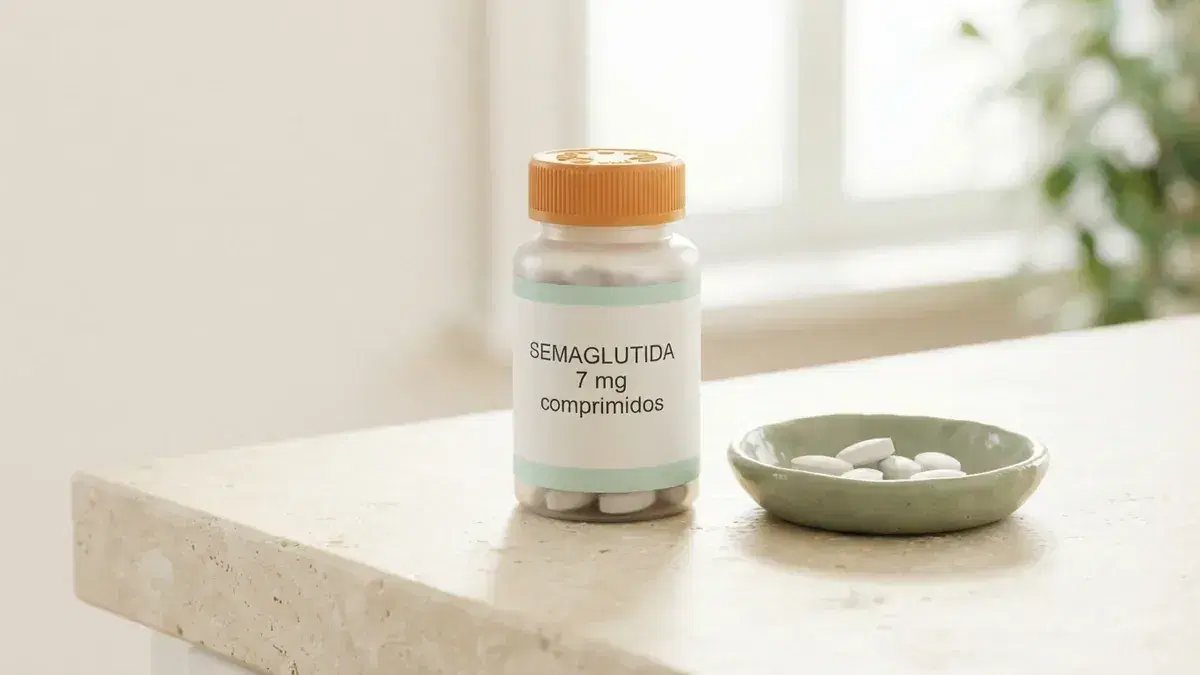
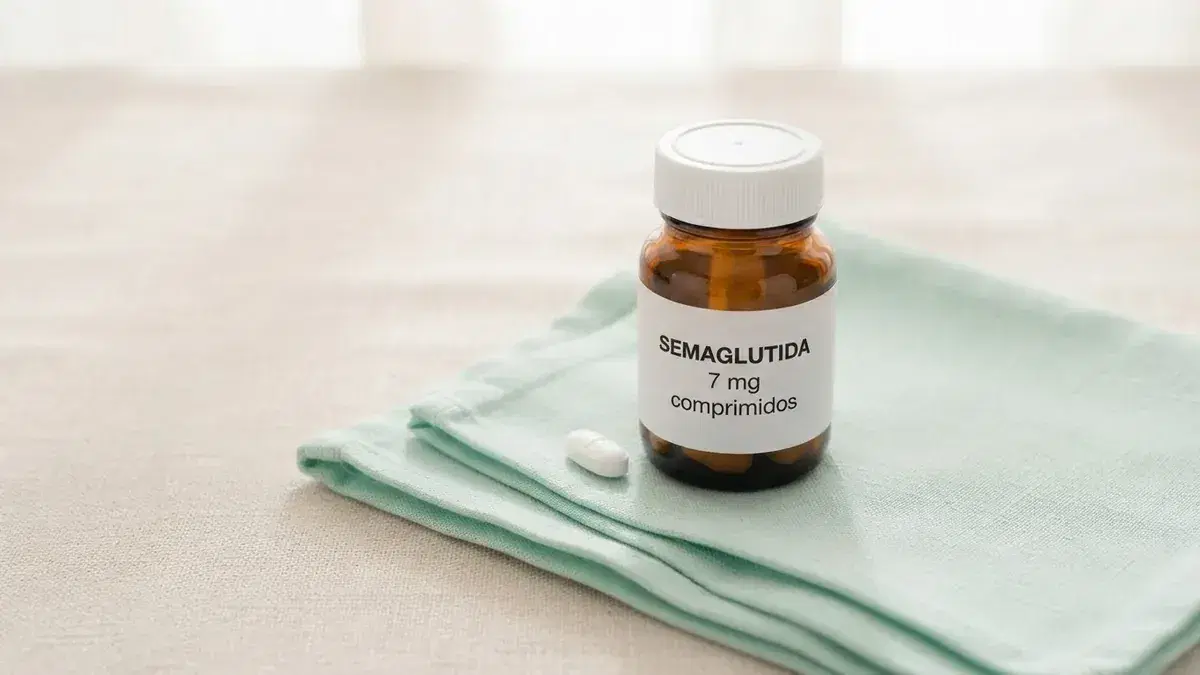
Several weight loss medications are available, each working through different mechanisms to help individuals achieve their weight loss goals. Some of the most commonly prescribed medications include GLP-1 receptor agonists, such as semaglutide (Wegovy, Ozempic) and liraglutide (Saxenda), as well as other options like orlistat (Xenical).
GLP-1 Receptor Agonists: These medications mimic the effects of glucagon-like peptide-1 (GLP-1), a natural hormone that regulates appetite and blood sugar levels. They work by slowing gastric emptying, increasing feelings of fullness, and reducing food cravings. Semaglutide, for example, is administered as a weekly injection and has shown significant weight loss results in clinical trials. Mounjaro (Tirzepatide) is another GLP-1 medication. Studies have shown average weight loss around 15-22.5% depending on the specific medication and dosage.
Orlistat: This medication works by blocking the absorption of dietary fat in the intestines. It can be a suitable option for individuals who prefer a non-injection alternative; however, it may come with gastrointestinal side effects.
Safety Considerations and Potential Side Effects
While weight loss medications can be effective, it's crucial to consider their safety and potential side effects, especially during perimenopause. GLP-1 receptor agonists, for example, may cause nausea, vomiting, diarrhea, and constipation. These side effects are often temporary and can be managed with dietary adjustments and medical supervision. Rare but more serious side effects can include pancreatitis and gallbladder problems.
Orlistat can cause gastrointestinal issues such as oily stools, abdominal pain, and fecal incontinence. It can also interfere with the absorption of fat-soluble vitamins, so supplementation may be necessary.
Before starting any weight loss medication, it's essential to have a thorough medical evaluation and discuss potential risks and benefits with a healthcare provider. This is particularly important during perimenopause, as hormonal changes can influence how the body responds to medications.
The Importance of Lifestyle Modifications
Weight loss medications are most effective when combined with lifestyle modifications, including a balanced diet and regular exercise. During perimenopause, focusing on nutrient-dense foods, such as fruits, vegetables, lean proteins, and whole grains, can help manage weight and support overall health. Reducing processed foods, sugary drinks, and excessive amounts of saturated and unhealthy fats is also crucial.
Regular physical activity, including both aerobic exercise and strength training, can help boost metabolism, build muscle mass, and improve mood. Aim for at least 150 minutes of moderate-intensity aerobic exercise per week, along with strength training exercises that target all major muscle groups at least twice a week.
How Hi Doctor Helps
Hi Doctor offers a convenient and discreet way to explore weight loss options from the comfort of your home. Our EU-licensed doctors provide online consultations to assess your medical history, discuss your weight loss goals, and determine if medication is a suitable option for you. We offer prescriptions for medications like Wegovy, Mounjaro, Saxenda and Orlistat after a thorough medical review. No video call is needed—simply complete a secure online questionnaire, and our medical team will evaluate your case. If a prescription is appropriate, you'll receive it in less than 24 hours. If not, you'll receive a full refund of the consultation fee. Hi Doctor provides consultations and prescriptions ONLY - we don't sell or ship medications.
Ready to Get Started?
Weight loss medications can be a helpful tool for managing weight during perimenopause, but they are not a magic bullet. They are most effective when combined with lifestyle modifications and medical supervision. If you're considering weight loss medication, talk to our EU-licensed doctors at Hi Doctor to determine if it's a safe and appropriate option for you.
Ready to start your weight loss journey? Get your online consultation with Hi Doctor—EU-licensed doctors, consultation fee of 25€ every 28 days (cancel anytime) or 35€ one-off, prescriptions in under 24 hours.
Hi Doctor provides telemedicine consultations. All treatments are prescribed by EU-licensed doctors after reviewing your medical history. We do not sell or ship medications—prescriptions can be used at any licensed pharmacy in the EU.