Weight loss5 minute read
Very Low Calorie Diets vs. GLP-1 Drugs: Which Offers Lasting Results?
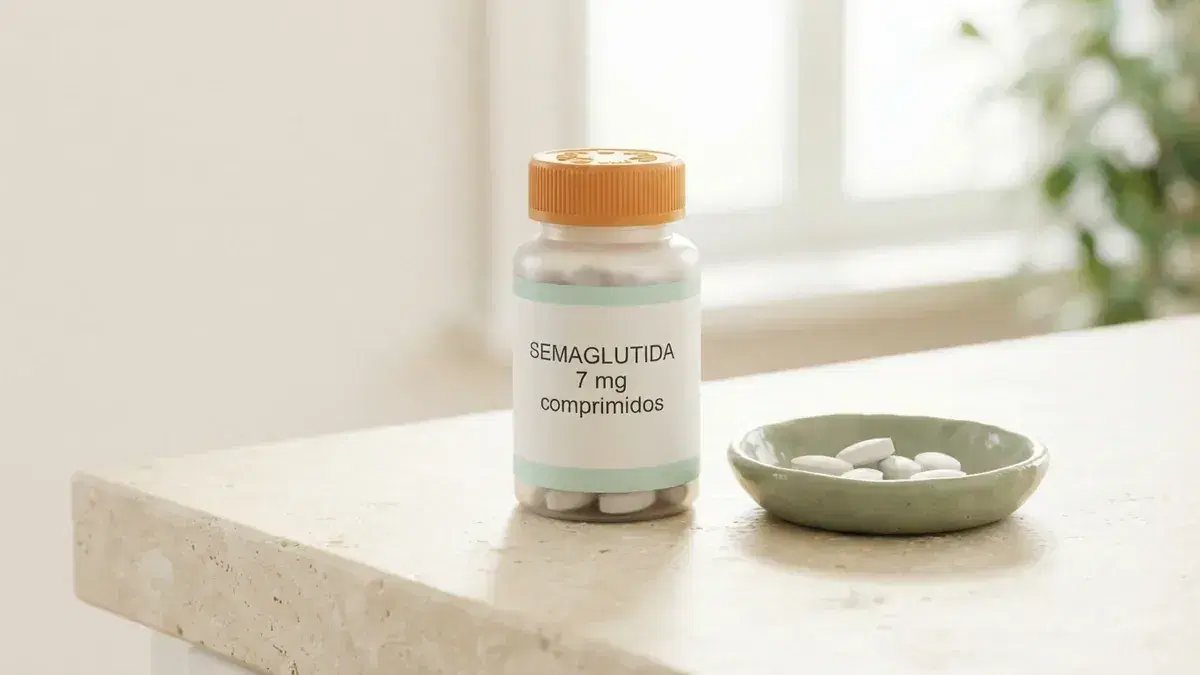
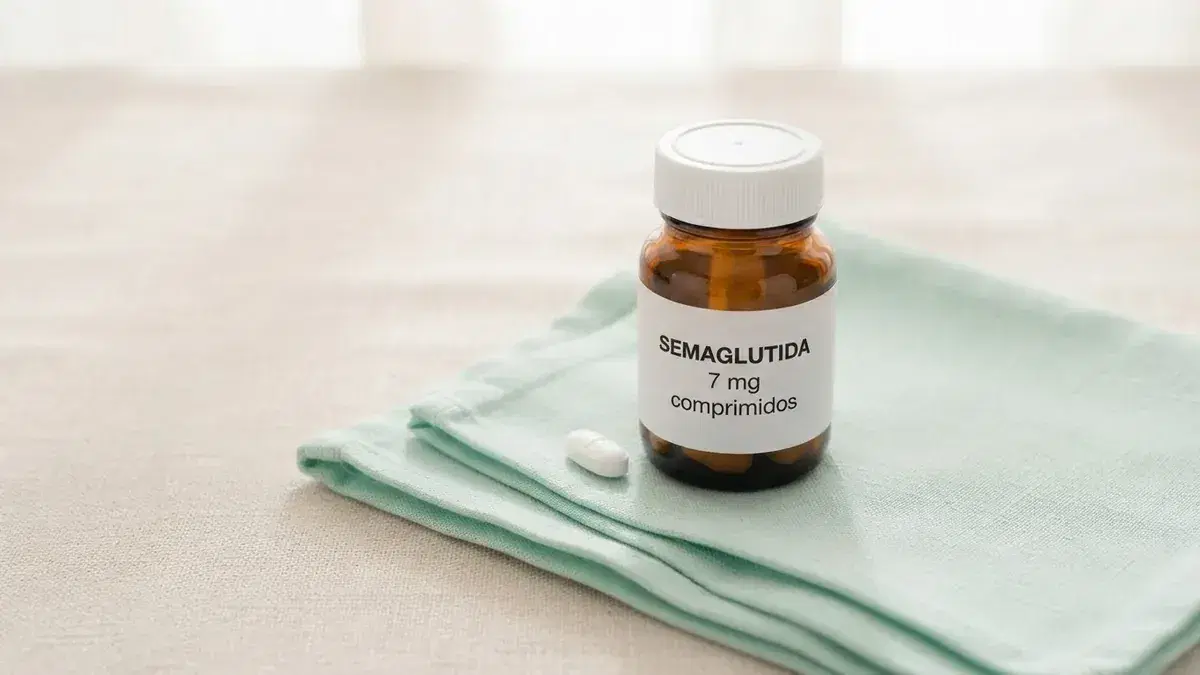
Very low calorie diets (VLCDs) and GLP-1 drugs are effective for weight loss, but their long-term success differs. VLCDs require strict adherence and can lead to muscle loss, while GLP-1 drugs offer sustained appetite control.
DIRECT ANSWER
An online consultation lets an EU-licensed doctor review your case and, if appropriate, issue an electronic prescription; each pharmacy decides whether it can dispense it.
Doctor reply in under 2 hours
Average doctor reply under 2 hours; at night and on public holidays it can take longer, always within 24 hours. A prescription only if appropriate.
EU-licensed doctors
Every case is reviewed by an EU-licensed doctor.
Electronic prescription
Each pharmacy decides whether it can dispense an approved prescription; some do not accept PDF prescriptions.
HOW IT WORKS
From consultation to collection
- 1
Consultation
Answer a secure medical questionnaire online.
- 2
Doctor reviews
An EU-licensed doctor personally assesses your case.
- 3
Prescription only if appropriate
The doctor replies in under 2 hours on average and issues a prescription only if it is clinically appropriate.
- 4
Collect at the pharmacy you choose
Take an approved prescription to the pharmacy you choose; each pharmacy decides whether it can dispense it.
Key Point 1VLCDs can produce rapid weight loss but are challenging to maintain long-term due to their restrictive nature and potential metabolic slowdown.
Key Point 2GLP-1 receptor agonists like semaglutide and tirzepatide offer a less restrictive approach by regulating appetite and improving blood sugar control, leading to more sustainable weight loss.
Key Point 3Lifestyle modifications, including diet and exercise, are crucial for the long-term success of both VLCDs and GLP-1 drugs.
Key Point 4Hi Doctor provides access to EU-licensed doctors who can assess your individual needs and prescribe the most appropriate weight management strategy.
Understanding Very Low Calorie Diets (VLCDs)
Very low calorie diets (VLCDs) involve consuming only 800 calories or less per day, typically through meal replacement shakes, bars, or specially formulated foods. These diets are designed to induce rapid weight loss and are often medically supervised due to the potential health risks.
How VLCDs Work
VLCDs create a significant energy deficit, forcing the body to burn stored fat for fuel. This rapid weight loss can be motivating in the short term. However, the body may also start breaking down muscle tissue for energy, which can lower metabolism and make it harder to maintain weight loss in the long run.
Expected Results and Timeline
Individuals on VLCDs can expect to lose an average of 3-5 pounds per week. Significant weight loss can be seen within the first few weeks. However, maintaining this weight loss after transitioning back to a regular diet is a major challenge. Studies show that many people regain a significant portion of the weight lost within 1-2 years.
Potential Side Effects
VLCDs can cause several side effects, including:
- Fatigue
- Nausea
- Constipation
- Gallstones
- Electrolyte imbalances
- Muscle loss
Due to these risks, VLCDs should only be undertaken under strict medical supervision.
Exploring GLP-1 Receptor Agonists
GLP-1 receptor agonists are a class of medications that mimic the effects of the naturally occurring hormone GLP-1 (glucagon-like peptide-1). These drugs are used to treat type 2 diabetes and, more recently, for weight management.
How GLP-1 Drugs Work
GLP-1 drugs work by:
- Stimulating insulin release from the pancreas, which helps lower blood sugar levels.
- Slowing down gastric emptying, which helps you feel fuller for longer.
- Reducing appetite by acting on appetite centers in the brain.
Common GLP-1 medications include semaglutide (Wegovy, Ozempic), tirzepatide (Mounjaro), and liraglutide (Saxenda).
Expected Results and Timeline
Clinical trials have shown that GLP-1 drugs can lead to significant weight loss. For example, semaglutide (Wegovy) has been shown to produce an average weight loss of 15-17% after 68 weeks. Tirzepatide (Mounjaro) has demonstrated even greater weight loss, with an average of 22.5% after 72 weeks.
Weight loss with GLP-1 medications is typically gradual and sustained over time. It requires consistent use of the medication and adherence to a healthy lifestyle, including diet and exercise. The timeline for noticeable weight loss can vary, but many individuals start seeing results within the first few months.
Potential Side Effects
Common side effects of GLP-1 drugs include:
- Nausea
- Vomiting
- Diarrhea
- Constipation
- Abdominal pain
These side effects are usually mild and temporary, but it's important to discuss any concerns with your doctor.
Comparing Long-Term Outcomes
While both VLCDs and GLP-1 drugs can lead to significant weight loss, their long-term outcomes differ. VLCDs are often associated with high rates of weight regain, while GLP-1 drugs offer a more sustainable approach due to their effects on appetite and metabolism.
A key factor in the success of both approaches is lifestyle modification. Individuals who adopt healthy eating habits and regular exercise are more likely to maintain their weight loss, regardless of the method used.
The Role of Lifestyle Modifications
Whether you choose a VLCD or GLP-1 medication, lifestyle modifications are essential for long-term weight management. This includes:
- Adopting a balanced diet rich in fruits, vegetables, and lean protein.
- Engaging in regular physical activity, such as brisk walking, jogging, or strength training.
- Managing stress through techniques like yoga or meditation.
- Getting enough sleep.
- Building a support system.
Without these lifestyle changes, it's difficult to maintain weight loss, regardless of the initial method used.
How Hi Doctor Helps
Hi Doctor provides a convenient and accessible way to explore medically supported weight management options. Our EU-licensed doctors can assess your individual needs and determine whether GLP-1 medications are right for you. We offer:
- Online consultations with EU-licensed doctors.
- Prescriptions for GLP-1 medications, if appropriate.
- Ongoing support and guidance from our medical team.
Skip the waiting room and get started on your weight loss journey from the comfort of your own home.
Ready to Get Started?
Ready to start your weight loss journey? Get your online consultation with Hi Doctor—EU-licensed doctors, consultation fee of 25€ every 28 days (cancel anytime) or 35€ one-off, prescriptions in under 24 hours.
Hi Doctor provides telemedicine consultations. All treatments are prescribed by EU-licensed doctors after reviewing your medical history. We do not sell or ship medications—prescriptions can be used at any licensed pharmacy in the EU.