Hair growth6 minute read
Understanding Telogen Effluvium: Causes, Treatment, and Recovery
Experiencing hair loss from Telogen Effluvium? Get a prescription for effective treatment from an EU-licensed doctor online. Your consultation fee is refunded if treatment isn't approved.

DIRECT ANSWER
An online consultation lets an EU-licensed doctor review your case and, if appropriate, issue an electronic prescription; each pharmacy decides whether it can dispense it.
Doctor reply in under 2 hours
Average doctor reply under 2 hours; at night and on public holidays it can take longer, always within 24 hours. A prescription only if appropriate.
EU-licensed doctors
Every case is reviewed by an EU-licensed doctor.
Electronic prescription
Each pharmacy decides whether it can dispense an approved prescription; some do not accept PDF prescriptions.
Telogen effluvium is a temporary hair loss condition that can be distressing, but effective treatment is available. If you're experiencing hair shedding and believe it might be telogen effluvium, you can get a prescription for appropriate medication through a licensed EU doctor online, without a clinic visit. Hi Doctor offers a convenient and affordable solution: an online consultation for 45 € every 90 days (cancel anytime) or 35 € one-off, with a prescription issued in under 24 hours if the doctor finds it appropriate. This prescription is valid at any pharmacy in the EU.
How it works: get your Telogen Effluvium treatment prescription in 4 steps
- Fill out a brief online medical questionnaire (2–3 minutes) and pay the consultation fee of 45 € every 90 days or 35 € one-off.
- A licensed EU doctor reviews your case privately. If the doctor determines the treatment is NOT appropriate, your payment is refunded automatically, so there is no risk.
- If approved, you receive a valid electronic prescription (PDF file) in your Hi-Doctor account and by email within 24 hours.
- Print the PDF or show it on your phone and present it at any pharmacy in the EU to collect your medication.
Who qualifies for Telogen Effluvium treatment
Our EU-licensed doctors assess each case individually to ensure treatment is safe and effective for you. When evaluating your case for Telogen Effluvium, the doctor looks for several key factors:
- Underlying Causes: Identification and assessment of potential triggers like physiological stress, childbirth, illness, certain medications, nutritional deficiencies, thyroid disorders, or rapid weight loss.
- Symptoms: Presence of increased, diffuse hair shedding across the scalp, without inflammation or scarring.
- Medical History: A comprehensive review of your health records to rule out other conditions and ensure the prescribed treatment is suitable.
- Current Medications: To prevent any adverse interactions with new treatments.
The doctor will ensure that any prescribed treatment, such as topical minoxidil or oral supplements, is appropriate for your specific situation and unlikely to cause harm.
Don't see your condition on Hi-Doctor yet?
Hi-Doctor is continuously onboarding EU-licensed specialists across new conditions. Register your interest and we'll notify you the moment a doctor is available for your case. In the meantime, see how the service works: online consultation for €45 every 90 days or €35 one-off, reply within 24 h, full refund if the doctor decides the treatment isn't appropriate.
What Telogen Effluvium treatment actually does (and doesn't do)
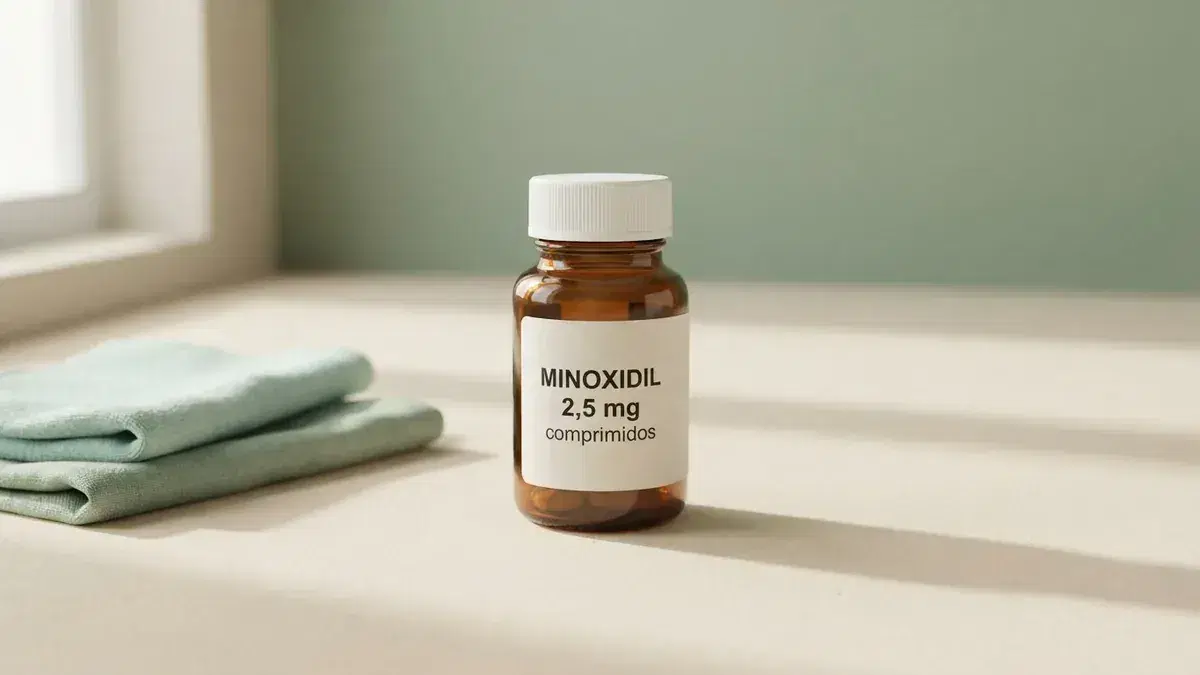
Treatment for telogen effluvium primarily focuses on addressing the underlying cause and supporting the hair's natural growth cycle. For example, topical minoxidil, a common treatment, works by prolonging the anagen (growth) phase of hair follicles and increasing blood flow to the scalp, which can stimulate regrowth. It helps to normalize the hair cycle and encourages new hair to grow. However, it's not an instant fix; visible results typically take several months as hair growth is a slow process.
What it doesn't do is magically regrow hair overnight or prevent future episodes if the underlying cause isn't managed. Treatment supports regrowth, but consistent adherence and addressing the root cause are crucial for long-term recovery.
Side effects and when to stop
As with any medication, treatments for Telogen Effluvium can have side effects. For topical minoxidil, common side effects can include scalp irritation, itching, or unwanted hair growth in other areas if the product drips. More serious, but rare, side effects can include dizziness, rapid heartbeat, or swelling of the hands and feet. If you experience any severe or concerning side effects, you should stop the treatment immediately and consult a doctor.
It's important to discuss all potential side effects with your Hi Doctor doctor during your online consultation. They will guide you on what to expect and when to seek further medical advice.
Why Hi-Doctor vs. walking into a clinic
Choosing Hi Doctor for your Telogen Effluvium treatment offers significant advantages over traditional clinic visits:
- Speed: Get your prescription in under 24 hours compared to weeks of waiting for a clinic appointment.
- Price: A consultation fee of 45 € every 90 days or 35 € one-off, with a money-back guarantee if treatment isn't approved, versus variable and often higher private clinic fees.
- Privacy: Everything happens in your secure, RGPD-compliant in-app chat, eliminating awkward waiting room encounters.
- Convenience: Access expert medical advice and prescriptions from your phone, without travel to a city-centre clinic.
- Trust: Join over 50,000 satisfied patients with a 4.8 Trustpilot rating, benefiting from EU-licensed doctors reviewing every case individually.
Your interest guides which specialists we add next.
If your treatment isn't yet among Hi-Doctor's covered specialties, register at hi-doctor.ai so a doctor can notify you the moment we can handle your case. Our EU-licensed doctors issue electronic prescriptions as a PDF valid at any EU pharmacy, and if the doctor decides the treatment isn't appropriate, the consultation fee is refunded automatically.
COMMON QUESTIONS
Frequently asked questions
If our EU-licensed doctor determines that treatment for Telogen Effluvium is not appropriate for your case, your consultation fee is refunded automatically. You pay nothing if the treatment isn't approved, making it a no-risk consultation.