Hair growth7 minute read
Social Anxiety and Hair Loss: Effective Coping Strategies
Struggling with social anxiety and hair loss? Discover effective coping strategies and how to get EU-licensed medical treatment online. Our doctors provide prescriptions in under 24 hours, valid at any EU pharmacy, for just €45/90 days o…

DIRECT ANSWER
An online consultation lets an EU-licensed doctor review your case and, if appropriate, issue an electronic prescription; each pharmacy decides whether it can dispense it.
Doctor reply in under 2 hours
Average doctor reply under 2 hours; at night and on public holidays it can take longer, always within 24 hours. A prescription only if appropriate.
EU-licensed doctors
Every case is reviewed by an EU-licensed doctor.
Electronic prescription
Each pharmacy decides whether it can dispense an approved prescription; some do not accept PDF prescriptions.
Dealing with social anxiety can be challenging enough, but when it leads to hair loss, the impact on your confidence and well-being can be significant. Many people search for effective solutions for hair loss treatment online, especially when stress is a contributing factor. The good news is that you can access professional medical support and obtain a prescription for effective hair loss medication through an EU-licensed doctor, quickly and conveniently. Hi-Doctor provides online consultations for just €45 every 90 days (cancel anytime) or €35 one-off, with prescriptions issued in under 24 hours if appropriate, valid at any pharmacy across the EU.
How it works: get your hair loss medication prescription in 4 steps
- Fill out a short online medical questionnaire (takes 2–3 minutes) and pay the consultation fee of €45 every 90 days or €35 one-off.
- An EU-licensed doctor privately reviews your case. If the doctor determines the treatment is NOT appropriate for you, your payment is refunded automatically — you pay nothing.
- If approved, you receive a valid electronic prescription (PDF file) in your Hi-Doctor account and via email within 24 hours.
- Print the PDF or show it on your phone and present it at any pharmacy in the EU to collect your medication.
Understanding the Connection Between Social Anxiety and Hair Loss
Social anxiety disorder (SAD) creates chronic stress, which can significantly impact your physical health, including hair. This persistent stress can trigger a condition called telogen effluvium, where hair follicles prematurely enter the resting phase, leading to increased shedding and thinning hair. Beyond telogen effluvium, chronic stress can also worsen other hair loss conditions like alopecia areata. Managing this stress is crucial for maintaining healthy hair.
Who qualifies for hair loss medication
When you complete your medical questionnaire, our EU-licensed doctors assess several factors to determine if medication is appropriate for your hair loss. They look for:
Don't see your condition on Hi-Doctor yet?
Hi-Doctor is continuously onboarding EU-licensed specialists across new conditions. Register your interest and we'll notify you the moment a doctor is available for your case. In the meantime, see how the service works: online consultation for €45 every 90 days or €35 one-off, reply within 24 h, full refund if the doctor decides the treatment isn't appropriate.
- Type of hair loss: Diagnosing the specific type, such as androgenetic alopecia (male or female pattern baldness) or telogen effluvium.
- Medical history: Any existing conditions or medications that might interact with hair loss treatments.
- Severity and duration: How extensive your hair loss is and for how long it has been occurring.
- Contraindications: Specific conditions that would make certain medications unsafe for you (e.g., pregnancy, certain heart conditions).
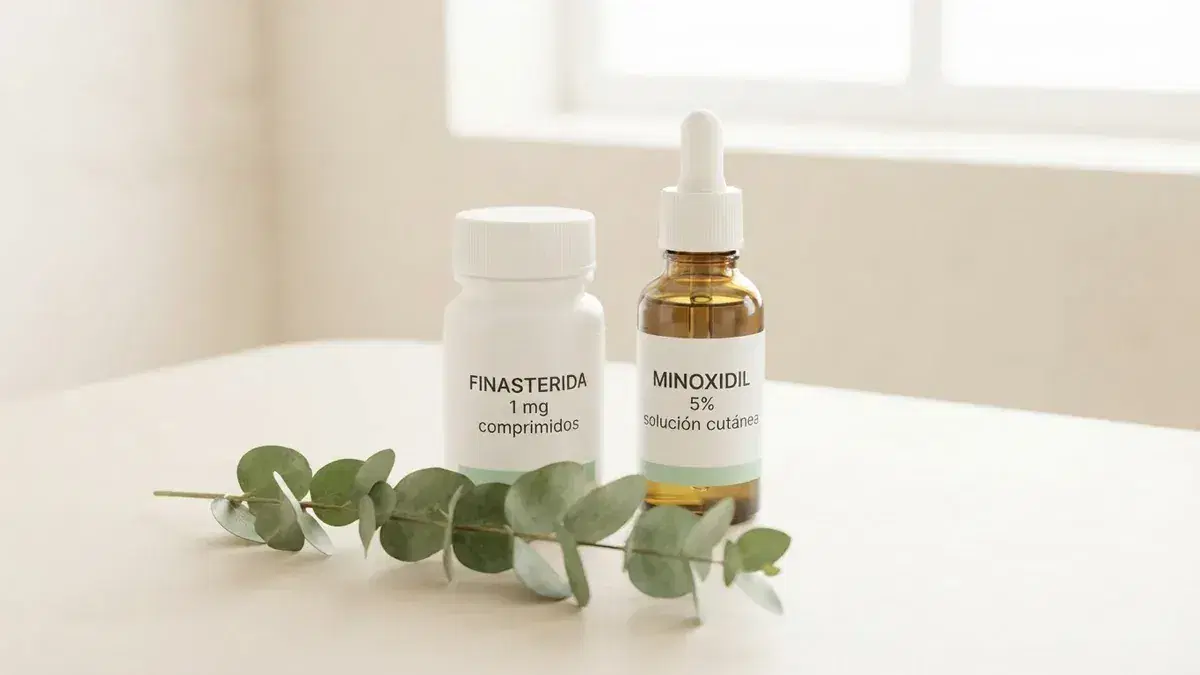
Common medications like Minoxidil and Finasteride (for men) are often considered. The doctor always prioritises your safety and the effectiveness of the treatment.
What hair loss medication actually does (and doesn't do)
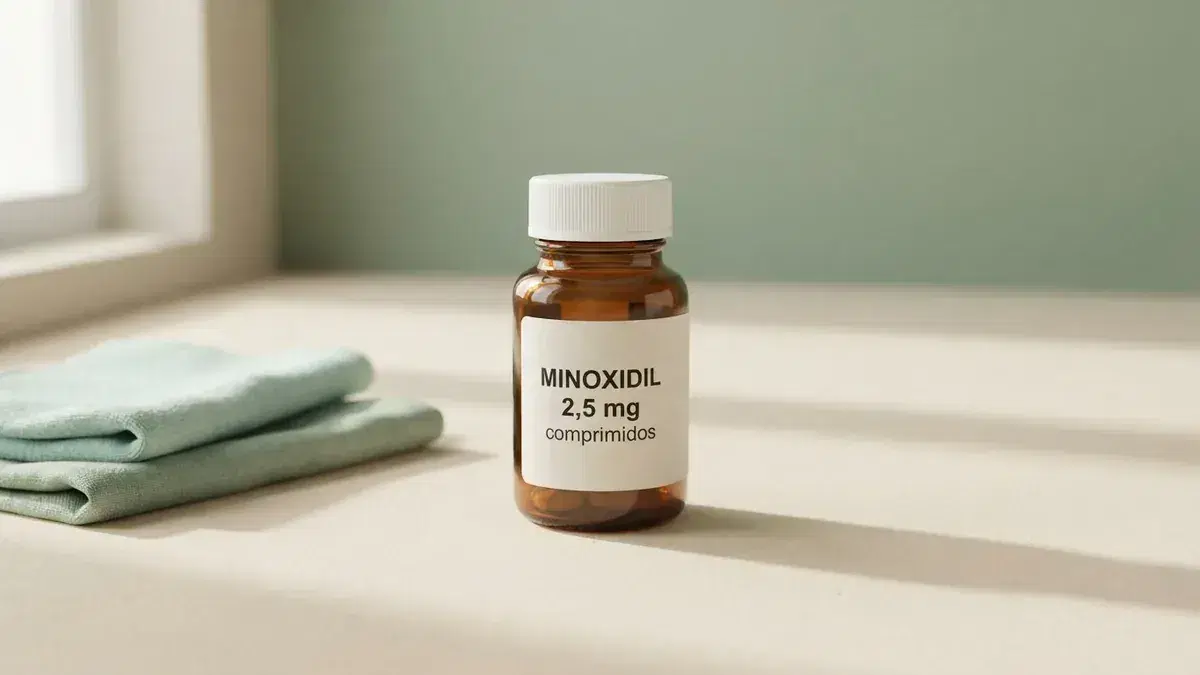
Hair loss medications work by targeting different aspects of the hair growth cycle. For example, Minoxidil (topical or oral) helps by increasing blood flow to hair follicles, stimulating growth. Finasteride (oral, for men) works by blocking the hormone DHT, which is a primary cause of male pattern baldness. These medications aim to slow down hair loss, stimulate new growth, and thicken existing hair.
It's important to have realistic expectations: results are not immediate. You typically need to use these treatments consistently for several months (3-6 months for Minoxidil, 6-12 months for Finasteride) before seeing noticeable improvements. They don't cure the underlying causes of genetic hair loss, so continuous use is often necessary to maintain results. They also don't guarantee a full regrowth of all lost hair.
Side effects and when to stop
Like all medications, hair loss treatments can have side effects. Common side effects for Minoxidil include scalp irritation, dryness, or unwanted hair growth in other areas. Finasteride can cause sexual side effects in a small percentage of men, such as decreased libido or erectile dysfunction. It's crucial to discuss any concerns with your doctor.
You should stop taking the medication and consult your doctor if you experience severe allergic reactions, chest pain, rapid heartbeat, dizziness, or swelling of hands or feet. Your Hi-Doctor physician is available via private chat in your account to discuss any concerns.
Coping Strategies for Managing Social Anxiety and Hair Loss
Addressing social anxiety and its impact on hair loss requires a holistic approach:
- Cognitive Behavioral Therapy (CBT): Helps you identify and challenge negative thought patterns, reducing overall stress.
- Mindfulness and Relaxation: Techniques like meditation and deep breathing lower stress hormones like cortisol, benefiting both mind and hair.
- Regular Exercise: Physical activity is a natural stress reliever, boosting mood and overall well-being.
- Balanced Diet: Ensures your body gets essential nutrients for healthy hair growth, including vitamins, minerals, and protein.
- Support Groups: Connecting with others facing similar challenges can provide comfort and shared strategies.
Why Hi-Doctor vs. walking into a clinic
Choosing Hi-Doctor for your hair loss prescription offers distinct advantages over traditional clinic visits:
- Speed: Get your prescription in under 24 hours with Hi-Doctor, compared to weeks of waiting for an in-person appointment.
- Price: An online consultation fee of €45 every 90 days or €35 one-off at Hi-Doctor vs. variable and often higher private clinic fees.
- Privacy: Everything happens securely within your Hi-Doctor app, avoiding waiting rooms and reception desks.
- Convenience: Consult from anywhere using your phone, eliminating travel and time off work.
- Trust: Join 50,000+ satisfied patients with our 4.8 Trustpilot rating. Our EU-licensed doctors provide individualised care.
Your interest guides which specialists we add next.
If your treatment isn't yet among Hi-Doctor's covered specialties, register at hi-doctor.ai so a doctor can notify you the moment we can handle your case. Our EU-licensed doctors issue electronic prescriptions as a PDF valid at any EU pharmacy, and if the doctor decides the treatment isn't appropriate, the consultation fee is refunded automatically.
COMMON QUESTIONS
Frequently asked questions
If our EU-licensed doctor determines that the treatment is not appropriate for you, your consultation fee is refunded automatically. You pay nothing if the treatment isn't approved.