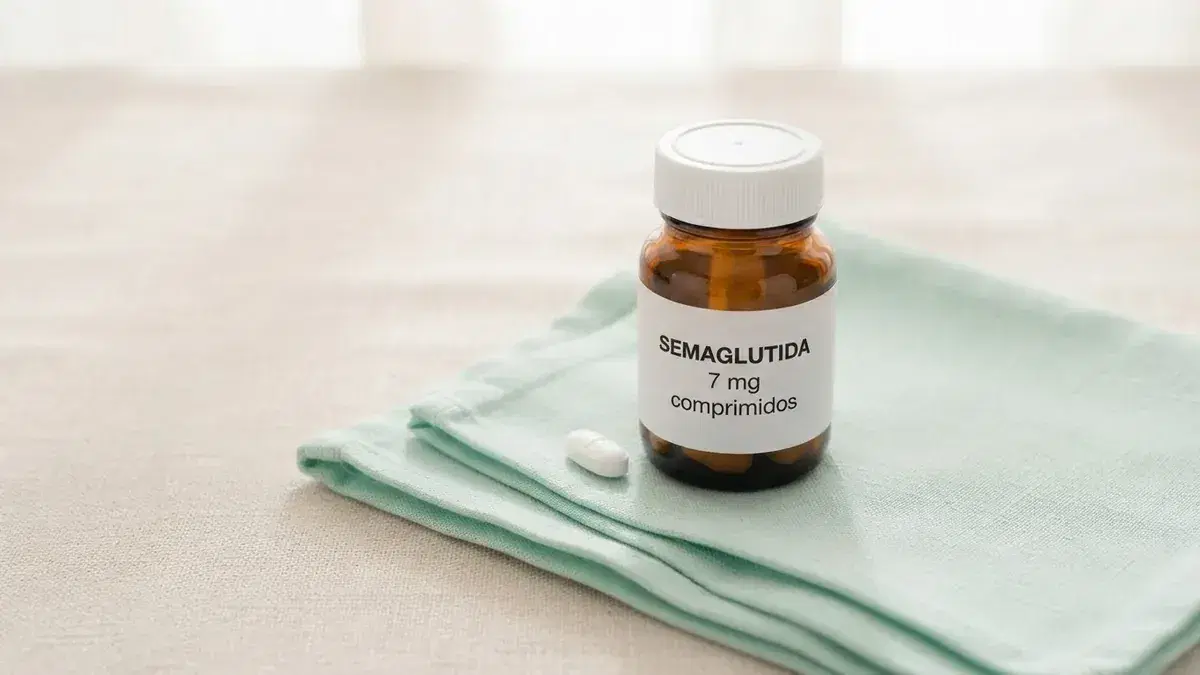
Weight loss5 minute read
PCOS and GLP-1 Agonists: Benefits Beyond Weight Loss
PCOS is a hormonal disorder affecting millions. GLP-1 agonists, traditionally for diabetes and weight loss, show promise in managing PCOS symptoms beyond weight.

DIRECT ANSWER
An online consultation lets an EU-licensed doctor review your case and, if appropriate, issue an electronic prescription; each pharmacy decides whether it can dispense it.
Doctor reply in under 2 hours
Average doctor reply under 2 hours; at night and on public holidays it can take longer, always within 24 hours. A prescription only if appropriate.
EU-licensed doctors
Every case is reviewed by an EU-licensed doctor.
Electronic prescription
Each pharmacy decides whether it can dispense an approved prescription; some do not accept PDF prescriptions.
HOW IT WORKS
From consultation to collection
- 1
Consultation
Answer a secure medical questionnaire online.
- 2
Doctor reviews
An EU-licensed doctor personally assesses your case.
- 3
Prescription only if appropriate
The doctor replies in under 2 hours on average and issues a prescription only if it is clinically appropriate.
- 4
Collect at the pharmacy you choose
Take an approved prescription to the pharmacy you choose; each pharmacy decides whether it can dispense it.
Understanding PCOS and Its Challenges
Polycystic Ovary Syndrome (PCOS) is a common hormonal disorder affecting women of reproductive age. It's characterized by hormonal imbalances, irregular menstrual cycles, and the development of small cysts on the ovaries. PCOS can lead to a variety of health issues, including infertility, metabolic syndrome, type 2 diabetes, and cardiovascular disease.
The exact cause of PCOS is unknown, but it's believed to be a combination of genetic and environmental factors. Insulin resistance and elevated levels of androgens (male hormones) play a significant role in the development and progression of PCOS.
Common symptoms of PCOS include:
- Irregular or absent periods
- Excessive hair growth (hirsutism)
- Acne
- Weight gain or difficulty losing weight
- Infertility
- Ovarian cysts
- Skin tags
- Darkening of the skin (acanthosis nigricans)
Managing PCOS often involves a combination of lifestyle changes, such as diet and exercise, and medications to address specific symptoms. Metformin, a drug commonly used to treat type 2 diabetes, is often prescribed to improve insulin sensitivity. Oral contraceptives can help regulate menstrual cycles and reduce androgen levels.
Key Point 1 PCOS is a hormonal disorder with far-reaching health implications.
Key Point 2 GLP-1 agonists offer benefits beyond weight loss for women with PCOS.
Key Point 3 These medications can improve insulin sensitivity and regulate hormones.
Key Point 4 Hi Doctor offers convenient consultations for weight management and related conditions.
The Role of GLP-1 Agonists
GLP-1 (glucagon-like peptide-1) agonists are a class of medications originally developed to treat type 2 diabetes. They work by mimicking the effects of the natural GLP-1 hormone, which helps regulate blood sugar levels. These medications also promote weight loss by reducing appetite and increasing feelings of fullness.
Common GLP-1 agonists include semaglutide (Wegovy, Ozempic), liraglutide (Saxenda), and tirzepatide (Mounjaro). These medications are typically administered as weekly injections.
While GLP-1 agonists are primarily known for their effects on blood sugar and weight, research suggests they may also offer benefits for women with PCOS, independent of weight loss. These potential benefits include:
- Improved insulin sensitivity: GLP-1 agonists can help improve the body's response to insulin, which is often impaired in women with PCOS.
- Reduced androgen levels: Some studies have shown that GLP-1 agonists can lower androgen levels, potentially reducing symptoms like hirsutism and acne.
- Improved menstrual cycle regularity: By improving hormonal balance, GLP-1 agonists may help regulate menstrual cycles in women with PCOS.
- Reduced risk of metabolic complications: GLP-1 agonists can improve cholesterol levels and blood pressure, reducing the risk of heart disease and other metabolic complications associated with PCOS.
Expected Results and Treatment Timeline
The timeline for seeing results with GLP-1 agonists can vary depending on the individual and the specific medication used. Some women may experience improvements in their symptoms within a few weeks, while others may take several months to see significant changes.
Here's a general overview of what you might expect:
- Weeks 1-4: Initial weight loss, reduced appetite, and improved blood sugar control may be noticeable.
- Months 2-3: More significant weight loss, further improvements in blood sugar levels, and potential reductions in androgen levels.
- Months 4-6: Continued weight loss, improved menstrual cycle regularity, and reduced risk of metabolic complications.
It's important to note that GLP-1 agonists are most effective when combined with lifestyle changes, such as a healthy diet and regular exercise. These medications are not a quick fix, and long-term success requires a commitment to a healthy lifestyle.
Potential Side Effects
Like all medications, GLP-1 agonists can cause side effects. Common side effects include nausea, vomiting, diarrhea, constipation, and abdominal pain. These side effects are usually mild and temporary, but they can be bothersome for some people. Starting with a low dose and gradually increasing it can help minimize these side effects.
More serious side effects are rare but can include pancreatitis, gallbladder problems, and kidney problems. It's important to discuss any concerns you have with your doctor before starting a GLP-1 agonist.
GLP-1 agonists may not be suitable for everyone. They are generally not recommended for people with a history of pancreatitis, gallbladder disease, or certain types of thyroid cancer.
How Hi Doctor Helps
Hi Doctor offers a convenient and discreet way to access medical consultations and prescriptions for weight management and related conditions, including PCOS. Our EU-licensed doctors can assess your individual needs and determine if a GLP-1 agonist is right for you.
With Hi Doctor, you can skip the waiting room and receive a personalized treatment plan from the comfort of your own home. Our online consultations are secure and confidential, and you can receive your prescription in less than 24 hours.
We provide ongoing support and guidance to help you achieve your health goals. Our medical team is available to answer your questions and address any concerns you may have throughout your treatment journey.
Ready to Get Started?
Ready to start your weight loss journey? Get your online consultation with Hi Doctor—EU-licensed doctors, consultation fee of 25€ every 28 days (cancel anytime) or 35€ one-off, prescriptions in under 24 hours.
Hi Doctor provides telemedicine consultations. All treatments are prescribed by EU-licensed doctors after reviewing your medical history. We do not sell or ship medications—prescriptions can be used at any licensed pharmacy in the EU.