Weight loss6 minute read
High-Protein Diet While on Semaglutide: A Practical Guide
Looking for Semaglutide online in the EU? Get your prescription from an EU-licensed doctor in under 24 hours. Online consultation for €25/28 days or €35 one-off. Valid at any EU pharmacy. Learn how a high-protein diet supports your Semag…
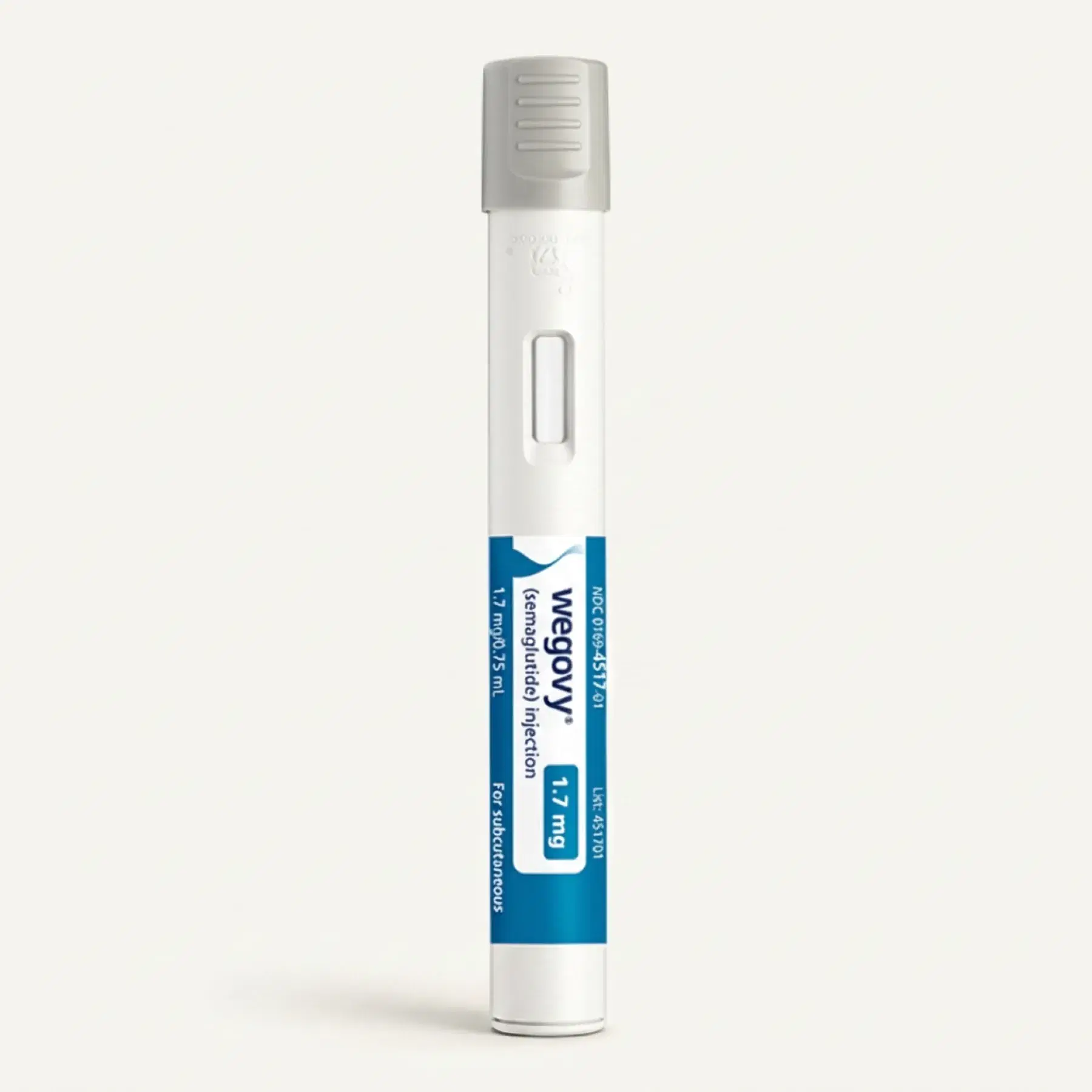
DIRECT ANSWER
An online consultation lets an EU-licensed doctor review your case and, if appropriate, issue an electronic prescription; each pharmacy decides whether it can dispense it.
Doctor reply in under 2 hours
Average doctor reply under 2 hours; at night and on public holidays it can take longer, always within 24 hours. A prescription only if appropriate.
EU-licensed doctors
Every case is reviewed by an EU-licensed doctor.
Electronic prescription
Each pharmacy decides whether it can dispense an approved prescription; some do not accept PDF prescriptions.
Are you looking to get a Semaglutide prescription online in the EU? You can. Hi-Doctor connects you with EU-licensed doctors who review your case individually, ensuring safe and appropriate treatment. For just €25 every 28 days (cancel anytime) or €35 one-off, you get an online consultation, and if the doctor finds treatment suitable, a valid electronic prescription is issued in under 24 hours. This prescription is valid at any EU pharmacy, from Spain to Germany, making it easy to access your medication.
How it works: get your Semaglutide prescription in 4 steps
- Fill the online medical questionnaire (2–3 minutes). Provide your health details securely in your private Hi-Doctor account.
- A licensed EU doctor reviews your case in private. Our doctors assess your eligibility for Semaglutide based on your medical history.
- If appropriate, you receive a valid electronic prescription within 24 hours. This is delivered directly to your private account and by email.
- Pick up your medication at any EU pharmacy. Your prescription is valid across the European Union.
Who qualifies for Semaglutide
When considering a Semaglutide prescription online, our EU-licensed doctors look for specific criteria to ensure your safety and treatment effectiveness. Generally, Semaglutide (like Wegovy or Ozempic) is prescribed for adults with a Body Mass Index (BMI) of 30 kg/m² or greater (obesity), or a BMI of 27 kg/m² or greater (overweight) with at least one weight-related comorbidity such as type 2 diabetes, high blood pressure, or high cholesterol.
Contraindications include a personal or family history of medullary thyroid carcinoma (MTC), Multiple Endocrine Neoplasia syndrome type 2 (MEN 2), or a known hypersensitivity to Semaglutide or any of its excipients. The doctor will carefully review your medical history, current medications, and any pre-existing conditions to determine if Semaglutide is appropriate for you. They remain the gatekeepers of your health, never promising a prescription if it's not clinically justified.
Looking for a medical weight management path?
An EU-licensed doctor reviews your history, BMI and goals and decides whether weight management treatment is appropriate for you. €25 every 28 days or €35 one-off, reply within 24 h.
Start my weight consultation →
What Semaglutide actually does (and doesn't do)
Semaglutide, a GLP-1 receptor agonist, works by mimicking an intestinal hormone released after eating. This hormone signals to your brain that you're full, reducing appetite and cravings. It also slows down gastric emptying, keeping food in your stomach longer, which contributes to increased satiety. Additionally, it helps regulate blood sugar levels, preventing spikes and crashes that can trigger hunger.
What Semaglutide doesn't do is magically make you lose weight without effort. It's a tool to support weight management when combined with lifestyle changes like a healthy diet and regular physical activity. Realistic timelines for significant weight loss typically involve several months of consistent use, with peak effects often seen after 6-12 months. It helps you eat less by making you feel fuller, but you still need to make conscious food choices.
Side effects and when to stop
Like all medications, Semaglutide can cause side effects. The most common ones are gastrointestinal and typically mild to moderate, especially at the beginning of treatment or when the dose is increased. These include nausea, vomiting, diarrhea, constipation, and abdominal pain. You can often manage these by adjusting your diet and staying hydrated.
More serious, though rare, side effects can include pancreatitis, gallbladder problems, kidney problems, and severe allergic reactions. It's crucial to seek immediate medical attention if you experience severe abdominal pain, yellowing of the skin or eyes, or signs of a severe allergic reaction (e.g., swelling of the face, lips, tongue, or throat, difficulty breathing). Always discuss any concerning symptoms with your doctor. If the side effects are persistent or severe, the doctor may advise adjusting your dose or discontinuing the medication.
Why Hi-Doctor vs. walking into a clinic
Choosing Hi-Doctor for your Semaglutide prescription in the EU offers unparalleled benefits compared to traditional clinic visits:
- Speed: Get your electronic prescription in under 24 hours if the doctor finds it appropriate. No more waiting weeks for an in-person appointment.
- Price: €25 every 28 days or €35 one-off for the online consultation. No hidden fees, no variable private clinic charges.
- Privacy: Everything happens within your secure, RGPD-compliant Hi-Doctor app. No reception desks, no waiting rooms, no awkward conversations. Your data is private, and all communication is auditable chat within your account.
- Convenience: Access expert medical care from your phone, wherever you are. No travel, no time off work, no parking hassles.
- Trust: Join over 50,000 satisfied patients who have used Hi-Doctor, reflected in our 4.8 Trustpilot rating. Our EU-licensed doctors provide individualised, professional care.
A medical plan, not a diet.
Take the online questionnaire. A licensed EU doctor evaluates whether weight management treatment is appropriate for your case and, if so, issues a valid electronic prescription within 24 hours.
COMMON QUESTIONS
Frequently asked questions
Yes, it is legal to obtain a prescription for Semaglutide online from an EU-licensed doctor. Hi-Doctor connects you with doctors who are fully licensed to practice within the European Union and issue valid electronic prescriptions.