Hair growth5 minute read
Hair Loss Treatment Frequency: How Often Should You Apply?
Looking for a Finasteride prescription online in the EU? Get your hair loss treatment from an EU-licensed doctor for just €45 every 90 days or €35 one-off. Receive your electronic prescription in under 24 hours, valid at any EU pharmacy.
DIRECT ANSWER
An online consultation lets an EU-licensed doctor review your case and, if appropriate, issue an electronic prescription; each pharmacy decides whether it can dispense it.
Doctor reply in under 2 hours
Average doctor reply under 2 hours; at night and on public holidays it can take longer, always within 24 hours. A prescription only if appropriate.
EU-licensed doctors
Every case is reviewed by an EU-licensed doctor.
Electronic prescription
Each pharmacy decides whether it can dispense an approved prescription; some do not accept PDF prescriptions.
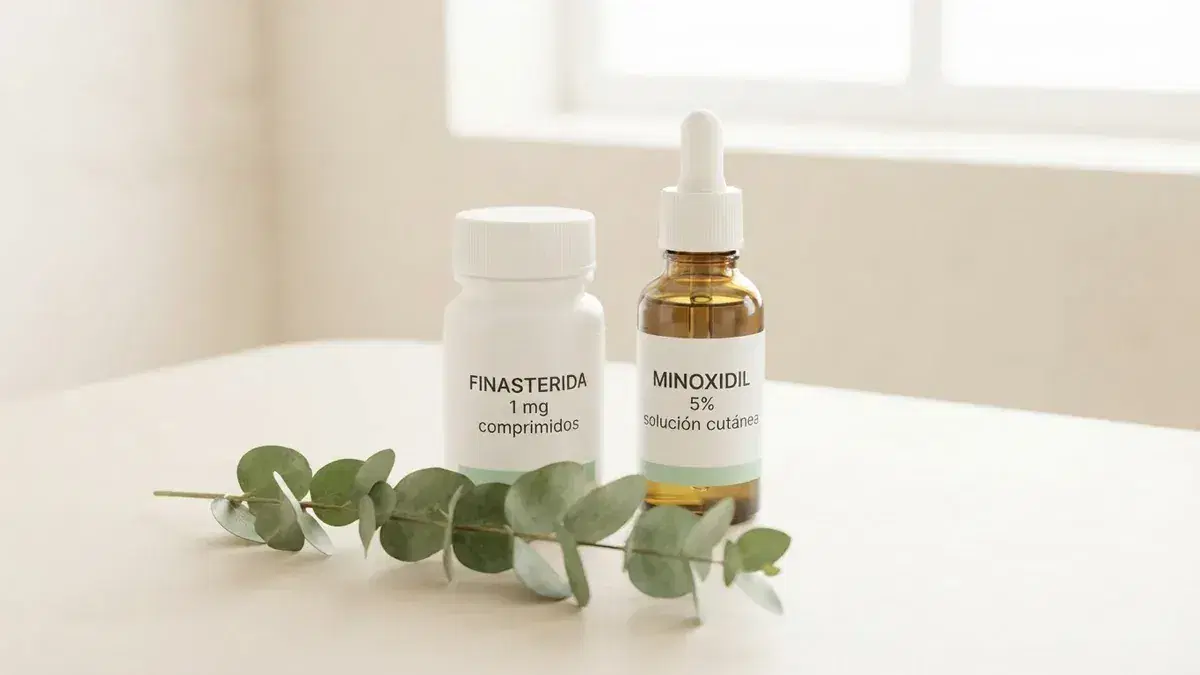
You can get a Finasteride prescription online in the EU from a licensed EU doctor. If you're an adult patient struggling with hair loss and looking for an effective solution like Finasteride, you've come to the right place. Hi Doctor connects you with EU-licensed doctors who review your case online. If treatment is appropriate, you receive a valid electronic prescription in under 24 hours. This prescription is valid at ANY EU pharmacy, making it easy to pick up your medication.
How it works: get your Finasteride prescription in 4 steps
- Fill the online medical questionnaire (2–3 minutes).
- A licensed EU doctor reviews your case in private.
- If appropriate, you receive a valid electronic prescription within 24 hours.
- Pick up your medication at any EU pharmacy.
Who qualifies for Finasteride
Our EU-licensed doctors review each case individually. They look for specific criteria to ensure Finasteride is safe and effective for you. Generally, Finasteride is prescribed for men experiencing male-pattern baldness (androgenetic alopecia). Doctors assess your medical history, current health conditions, and any other medications you are taking to determine suitability. Finasteride is not typically prescribed for women or children.
What Finasteride actually does (and doesn't do)
Finasteride works by blocking the conversion of testosterone to dihydrotestosterone (DHT), a hormone that shrinks hair follicles and leads to hair loss in genetically susceptible men. By reducing DHT levels, Finasteride helps to slow down hair loss and, in many cases, promotes new hair growth. It's important to understand that Finasteride does not cure baldness, nor does it work instantly. You typically need to take it consistently for 3-6 months to see initial results, with maximum benefits often appearing after 1-2 years. It works best for slowing hair loss and encouraging regrowth on the crown and mid-scalp, but it may have less impact on a receding hairline.
Noticing changes in your hair?
An EU-licensed doctor can privately review your case and decide whether a hair-growth treatment is appropriate for you. Online consultation for 45 € every 90 days or 35 € one-off, reply within 24 h.
Side effects and when to stop
Like all medications, Finasteride can have side effects, though most men tolerate it well. Common side effects can include decreased libido, erectile dysfunction, and ejaculatory disorders. Less common but more serious side effects include allergic reactions, breast tenderness or enlargement, and depression. If you experience any severe or persistent side effects, or notice any red flags such as changes in mood or breast lumps, you should stop taking Finasteride and consult a doctor immediately. Always discuss any concerns with the reviewing doctor during your online consultation.
Why Hi-Doctor vs. walking into a clinic
Getting your Finasteride prescription through Hi-Doctor offers significant advantages over traditional clinic visits:
- Speed: Receive your electronic prescription in under 24 hours, compared to weeks of waiting for an in-person appointment.
- Price: An online consultation fee of €45 every 90 days (cancel anytime) or €35 one-off, avoiding variable and often higher private clinic fees.
- Privacy: All communications happen within your private, RGPD-compliant, auditable chat in the app, with no awkward reception desk encounters.
- Convenience: Conduct your entire consultation from your phone, without needing to travel to a city-centre clinic or take time off work.
We've served over 50,000 patients with a 4.8 Trustpilot rating, proving our commitment to discreet, efficient, and high-quality care.
An EU doctor can review your case today.
Fill in the online questionnaire in a few minutes. A licensed doctor reviews your case and, if appropriate, issues a valid electronic prescription within 24 hours, straight into your private account.
COMMON QUESTIONS
Frequently asked questions
Yes, it is legal to obtain a Finasteride prescription online from an EU-licensed doctor. Our doctors issue valid electronic prescriptions, which are fully compliant with EU regulations and valid across all member states.