Hair growth5 minute read
Hair Loss Treatment for Beard Growth: Does It Work?
Looking to get Minoxidil for beard growth online? An EU-licensed doctor can review your case. Get your prescription in under 24 hours for just €45 every 90 days or €35 one-off. Valid at any EU pharmacy.
DIRECT ANSWER
An online consultation lets an EU-licensed doctor review your case and, if appropriate, issue an electronic prescription; each pharmacy decides whether it can dispense it.
Doctor reply in under 2 hours
Average doctor reply under 2 hours; at night and on public holidays it can take longer, always within 24 hours. A prescription only if appropriate.
EU-licensed doctors
Every case is reviewed by an EU-licensed doctor.
Electronic prescription
Each pharmacy decides whether it can dispense an approved prescription; some do not accept PDF prescriptions.
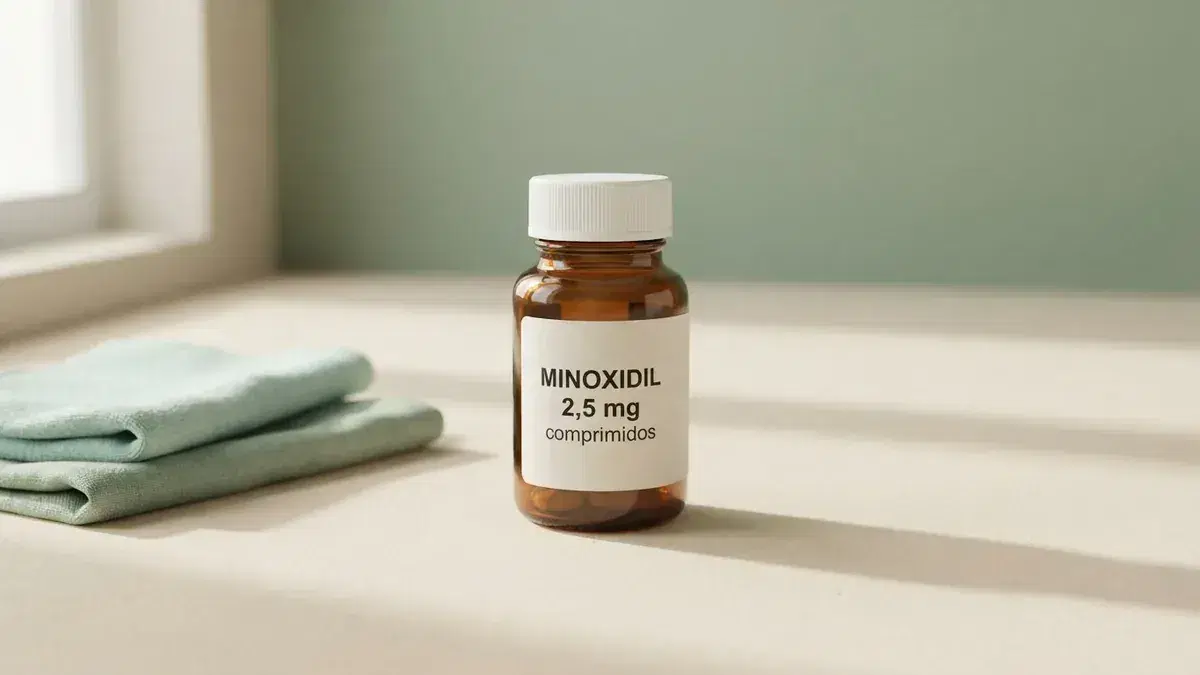
Are you looking to get a Minoxidil prescription online for beard growth in the EU? Yes, you can. Hi-Doctor connects you with EU-licensed doctors who can assess your suitability for Minoxidil. The process is straightforward: an EU-licensed doctor reviews your case, and if appropriate, issues a valid electronic prescription in under 24 hours. This prescription costs just €25 and is valid at any EU pharmacy, including Spain, Portugal, Italy, France, and Germany.
How it works: get your Minoxidil prescription in 4 steps
- Fill the online medical questionnaire (2–3 minutes). Provide your medical history and current symptoms through our secure platform.
- A licensed EU doctor reviews your case in private. Our doctors individually assess your information, ensuring the treatment is safe and appropriate for you.
- If appropriate, you receive a valid electronic prescription within 24 hours. The prescription is delivered to your private account and via email, ready for use.
- Pick up your medication at any EU pharmacy. Your prescription is valid across the entire European Union.
Who qualifies for Minoxidil
When you seek a Minoxidil prescription online, the doctor looks for several factors to determine if it's appropriate for you. Minoxidil is generally considered for individuals experiencing patchy beard growth or those looking to increase beard density. The doctor will review your medical history for conditions such as heart disease, high blood pressure, or scalp/skin conditions that might contraindicate its use. They will also consider any allergies you may have to its components. The goal is always to ensure your safety and the effectiveness of the treatment.
What Minoxidil actually does (and doesn't do)
Minoxidil is a vasodilator. This means it widens blood vessels, increasing blood flow to the hair follicles. For beard growth, topical Minoxidil stimulates inactive or miniaturised hair follicles, encouraging them to enter the growth phase. It helps transform fine, 'vellus' hairs into thicker, darker 'terminal' hairs. What it doesn't do is create new hair follicles where none exist. Realistic timelines for seeing results range from 4 to 12 months of consistent use, with results varying significantly between individuals. You need to commit to regular application for sustained improvement.
Noticing changes in your hair?
An EU-licensed doctor can privately review your case and decide whether a hair-growth treatment is appropriate for you. Online consultation for 45 € every 90 days or 35 € one-off, reply within 24 h.
Side effects and when to stop
Like all medications, Minoxidil can have side effects. Common ones include skin irritation, redness, dryness, or itching at the application site. Some users report temporary increased hair shedding in the initial weeks as weaker hairs are replaced by stronger ones. In rare cases, if applied improperly, it can cause unwanted hair growth on other parts of the face or body. Systemic side effects like dizziness or rapid heartbeat are very rare with topical application but possible. You should stop using Minoxidil and consult a doctor if you experience severe irritation, chest pain, rapid heartbeat, faintness, or sudden unexplained weight gain.
Why Hi-Doctor vs. walking into a clinic
Choosing Hi-Doctor for your Minoxidil prescription online offers significant advantages over traditional clinic visits:
- Speed: Get your prescription in under 24 hours versus waiting weeks for an in-person appointment.
- Price: An online consultation fee of €45 every 90 days (cancel anytime) or €35 one-off, compared to variable and often higher private clinic fees.
- Privacy: Everything happens within your secure, RGPD-compliant in-app chat – no reception desks or waiting rooms.
- Convenience: Consult with an EU-licensed doctor from your phone, without travel or time off work.
- Trust: Over 50,000 patients served with a 4.8 Trustpilot rating, testifying to our reliable and patient-centric service.
An EU doctor can review your case today.
Fill in the online questionnaire in a few minutes. A licensed doctor reviews your case and, if appropriate, issues a valid electronic prescription within 24 hours, straight into your private account.
COMMON QUESTIONS
Frequently asked questions
Yes, it is legal to get a Minoxidil prescription online in Spain and other EU countries through a licensed telemedicine provider like Hi-Doctor. Our EU-licensed doctors issue valid electronic prescriptions.