Hair growth8 minute read
Hair Loss Treatment and Pregnancy: What You Need to Know
Navigating hair loss during pregnancy can be concerning. Discover which treatments are safe and which to avoid, and how to get expert advice from an EU-licensed doctor online.

DIRECT ANSWER
An online consultation lets an EU-licensed doctor review your case and, if appropriate, issue an electronic prescription; each pharmacy decides whether it can dispense it.
Doctor reply in under 2 hours
Average doctor reply under 2 hours; at night and on public holidays it can take longer, always within 24 hours. A prescription only if appropriate.
EU-licensed doctors
Every case is reviewed by an EU-licensed doctor.
Electronic prescription
Each pharmacy decides whether it can dispense an approved prescription; some do not accept PDF prescriptions.
Are you pregnant and experiencing hair loss, or concerned about how your current hair loss treatment impacts your pregnancy? It's a common worry, and getting clear, reliable information is crucial. Many standard hair loss treatments are not safe during pregnancy. This guide helps you understand safe practices and how to get expert advice without leaving home. Our EU-licensed doctors provide online consultations for just 45€ every 90 days (cancel anytime) or 35€ one-off, reviewing your case to offer appropriate guidance. If a doctor determines treatment is not suitable, your payment is refunded – no risk. You get clear answers fast.
How it works: get expert advice on hair loss and pregnancy in 4 steps
- Fill the online medical questionnaire (2–3 minutes) and pay the consultation fee of 45€ every 90 days or 35€ one-off.
- A licensed EU doctor reviews your case in private. If the doctor decides the treatment is not appropriate, your payment is refunded automatically, so there is no risk.
- If approved for suitable guidance or a safe, appropriate prescription (where applicable), you receive a downloadable PDF file in your Hi-Doctor account and by email within 24 hours.
- If a prescription is issued, print the PDF or show it on your phone and present it at any pharmacy in the EU to collect the medication. This electronic prescription is valid across Spain, Portugal, Italy, France, Germany, Netherlands, Belgium, Austria, Ireland, and more, under EU Directive 2011/24/EU.
Who qualifies for hair loss treatment advice during pregnancy
When you consult with our doctors, they look for several factors to ensure your safety and the well-being of your baby:
- Your current pregnancy status: Confirming your stage of pregnancy is paramount, as different trimesters have varying considerations for treatment.
- Medical history: Any pre-existing conditions, allergies, or other medications you are taking are carefully reviewed.
- Type of hair loss: Understanding if your hair loss is pregnancy-related (like postpartum shedding) or due to other causes helps in recommending the right approach.
- Previous treatments: Information on any hair loss treatments you've used before pregnancy is important.
The doctor will determine if any form of treatment or intervention is appropriate and safe for you during pregnancy. Many common hair loss medications like Finasteride and Dutasteride are strictly contraindicated, and even Minoxidil requires careful consideration. Our doctors will guide you through safe alternatives and lifestyle adjustments.
Don't see your condition on Hi-Doctor yet?
Hi-Doctor is continuously onboarding EU-licensed specialists across new conditions. Register your interest and we'll notify you the moment a doctor is available for your case. In the meantime, see how the service works: online consultation for €45 every 90 days or €35 one-off, reply within 24 h, full refund if the doctor decides the treatment isn't appropriate.
What hair loss treatments actually do (and don't do) during pregnancy
During pregnancy, hair loss treatments focus primarily on safety and management, rather than aggressive regrowth. Hormonal shifts often lead to temporary hair changes, with many women experiencing fuller hair during pregnancy and increased shedding postpartum. The goal is to support hair health without risking maternal or fetal well-being.
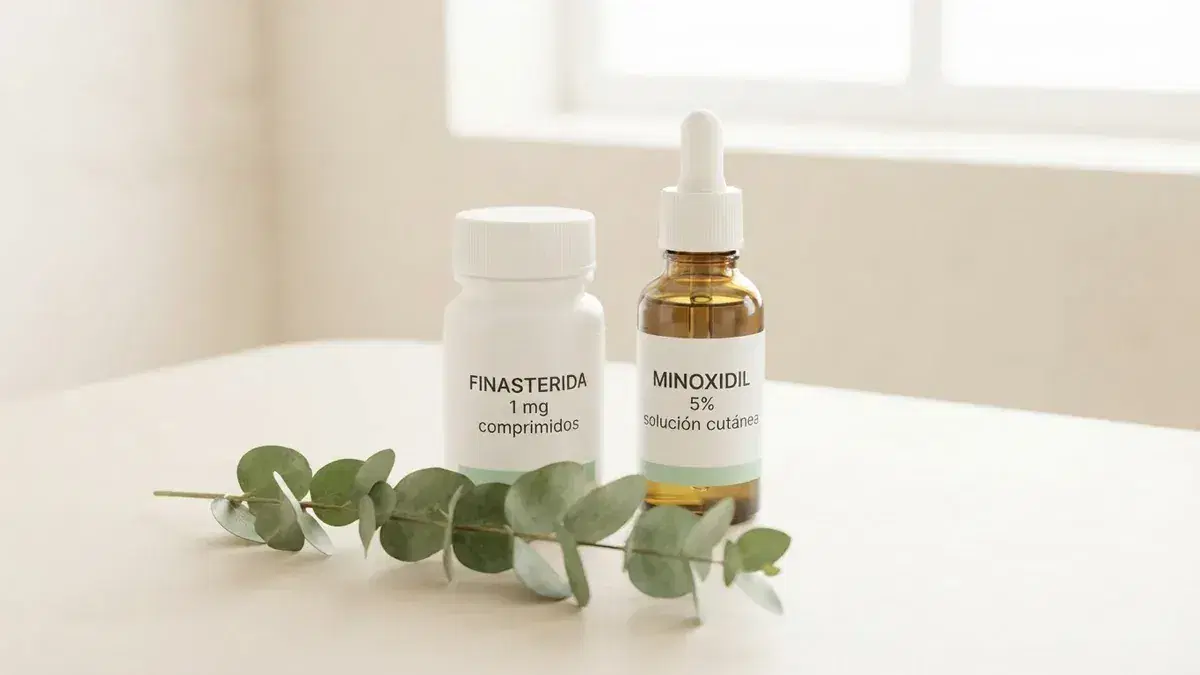
Finasteride and Dutasteride: These medications work by blocking DHT, a hormone linked to hair loss. They are strictly prohibited during pregnancy due to the high risk of severe birth defects in male fetuses. Even handling broken tablets can be dangerous. They do not have a safe role in hair loss management during pregnancy.
Topical Minoxidil: This treatment works by stimulating hair follicles and prolonging the growth phase. While some systemic absorption can occur, the risk is generally considered low, but not zero. Most doctors advise against its use, especially in the first trimester. If considered, it must be under strict medical supervision and with the lowest possible concentration. It does not guarantee strong regrowth during pregnancy and is typically avoided.
Safe Alternatives: These focus on nutritional support, gentle hair care, and scalp stimulation. They aim to minimize further loss and promote overall hair health naturally, without the risks associated with medication. These methods may not offer rapid regrowth but provide a safe foundation for managing hair during this critical period.
Side effects and when to stop
When considering any intervention for hair loss during pregnancy, the primary concern is always the safety of both mother and baby. For medications like Finasteride and Dutasteride, the side effects are so severe (birth defects) that they are entirely prohibited. For Minoxidil, while systemic side effects are rare with topical use, potential risks to the fetus mean it's generally advised to stop or avoid it during pregnancy.
Your doctor will advise you to immediately stop any potentially harmful hair loss treatments if you become pregnant or are planning to conceive. Any new or worsening symptoms after starting a new regimen (even safe alternatives like supplements) should be reported to your doctor immediately. Medical honesty is key, and our EU-licensed doctors prioritize your health and your baby's development above all else.
Why Hi-Doctor vs. walking into a clinic
Choosing Hi-Doctor for your hair loss concerns during pregnancy offers unparalleled convenience, privacy, and speed, all from the comfort of your home. Forget the traditional clinic hassles:
- Speed: Get expert advice and, if appropriate, a prescription in under 24 hours. No weeks-long waits for an appointment.
- Price: 45€ every 90 days or 35€ one-off for your online consultation. No hidden fees, no variable private clinic costs. If the doctor determines treatment isn't appropriate, you get your money back – guaranteed.
- Privacy: Everything happens within your secure, RGPD-compliant Hi-Doctor account. No awkward reception desk conversations, no waiting rooms.
- Convenience: Access an EU-licensed doctor from your phone or computer, anywhere in the EU. No travel, no time off work.
With over 50,000 patients served and a 4.8 Trustpilot rating, Hi-Doctor provides a trusted, efficient, and discreet way to manage your health needs. Our EU-licensed doctors review every case individually, ensuring you receive personalized, safe, and effective guidance.
Your interest guides which specialists we add next.
If your treatment isn't yet among Hi-Doctor's covered specialties, register at hi-doctor.ai so a doctor can notify you the moment we can handle your case. Our EU-licensed doctors issue electronic prescriptions as a PDF valid at any EU pharmacy, and if the doctor decides the treatment isn't appropriate, the consultation fee is refunded automatically.
COMMON QUESTIONS
Frequently asked questions
If our EU-licensed doctor determines that a specific hair loss treatment is not appropriate or safe for you during pregnancy, your consultation fee is refunded automatically. You pay nothing if the treatment isn't approved, making your consultation completely risk-free.