Weight loss6 minute read
GLP-1 Drugs in 2026: The Future of Weight Loss Medication
Explore the future of GLP-1 drugs in 2026. Learn about new medications, advancements, and their potential impact on weight management. Hi Doctor offers convenient online consultations with EU-licensed doctors for weight loss.

DIRECT ANSWER
An online consultation lets an EU-licensed doctor review your case and, if appropriate, issue an electronic prescription; each pharmacy decides whether it can dispense it.
Doctor reply in under 2 hours
Average doctor reply under 2 hours; at night and on public holidays it can take longer, always within 24 hours. A prescription only if appropriate.
EU-licensed doctors
Every case is reviewed by an EU-licensed doctor.
Electronic prescription
Each pharmacy decides whether it can dispense an approved prescription; some do not accept PDF prescriptions.
HOW IT WORKS
From consultation to collection
- 1
Consultation
Answer a secure medical questionnaire online.
- 2
Doctor reviews
An EU-licensed doctor personally assesses your case.
- 3
Prescription only if appropriate
The doctor replies in under 2 hours on average and issues a prescription only if it is clinically appropriate.
- 4
Collect at the pharmacy you choose
Take an approved prescription to the pharmacy you choose; each pharmacy decides whether it can dispense it.
Next-Generation GLP-1s Expect to see more advanced GLP-1 receptor agonists with improved efficacy and fewer side effects.
Combination Therapies Combination drugs targeting multiple pathways for weight loss will likely emerge, enhancing overall results.
Oral GLP-1 Options Increased availability of oral GLP-1 medications will offer a more convenient alternative to injections.
Personalized Treatment Expect a greater focus on tailoring GLP-1 treatments to individual patient needs and genetic profiles.
The Evolving Landscape of GLP-1 Drugs
GLP-1 (glucagon-like peptide-1) receptor agonists have revolutionized weight management and type 2 diabetes treatment. These medications mimic the effects of the natural GLP-1 hormone, which plays a crucial role in regulating appetite, insulin secretion, and gastric emptying. As we look ahead to 2026, the field of GLP-1 drugs is poised for significant advancements, offering new hope and improved options for individuals seeking effective weight loss solutions.
Current GLP-1 Medications: A Brief Overview
Before diving into the future, it’s essential to understand the current landscape of GLP-1 drugs. Some of the most widely used GLP-1 medications include:
- Semaglutide (Wegovy, Ozempic): A highly effective GLP-1 receptor agonist administered via weekly injection. Wegovy is specifically approved for weight loss, while Ozempic is used for type 2 diabetes management.
- Tirzepatide (Mounjaro): A dual-action medication that targets both GLP-1 and GIP (glucose-dependent insulinotropic polypeptide) receptors. Mounjaro has demonstrated impressive weight loss results in clinical trials and is approved for type 2 diabetes.
- Liraglutide (Saxenda): An older GLP-1 medication that requires daily injections. While effective, it generally results in less weight loss compared to semaglutide and tirzepatide.
These medications have shown remarkable success in helping individuals achieve significant weight loss, often accompanied by improvements in blood sugar control, blood pressure, and cholesterol levels. However, they also come with potential side effects, such as nausea, vomiting, diarrhea, and constipation. As research continues, the focus is on developing new GLP-1 drugs with enhanced efficacy, fewer side effects, and more convenient administration routes.
What to Expect from New GLP-1 Drugs in 2026
By 2026, several new GLP-1 drugs and treatment strategies are expected to emerge, transforming the landscape of weight management. Here are some key trends and developments to watch for:
Next-Generation GLP-1 Receptor Agonists
Pharmaceutical companies are actively developing next-generation GLP-1 receptor agonists with improved efficacy and safety profiles. These new medications may offer:
- Greater weight loss: Enhanced potency and receptor selectivity could lead to more significant weight reduction compared to existing GLP-1 drugs.
- Fewer side effects: Refined formulations and delivery methods may minimize common side effects like nausea and gastrointestinal discomfort.
- Extended duration of action: Some new GLP-1 drugs may require less frequent injections (e.g., monthly or even less often) for improved convenience and adherence.
Combination Therapies
Combining GLP-1 receptor agonists with other medications that target different pathways involved in weight regulation is a promising approach. These combination therapies could lead to synergistic effects and enhanced weight loss results. Potential combinations include:
- GLP-1 + Amylin analogs: Amylin is another hormone that helps regulate appetite and gastric emptying. Combining GLP-1 and amylin analogs may provide more comprehensive appetite control.
- GLP-1 + GIP receptor agonists: Tirzepatide, which targets both GLP-1 and GIP receptors, has already demonstrated the potential of this approach. New drugs in this category may offer even greater benefits.
- GLP-1 + Selective Androgen Receptor Modulators (SARMs): Combining GLP-1 with SARMs may help preserve muscle mass during weight loss, which is a common concern with many weight loss medications.
Oral GLP-1 Medications
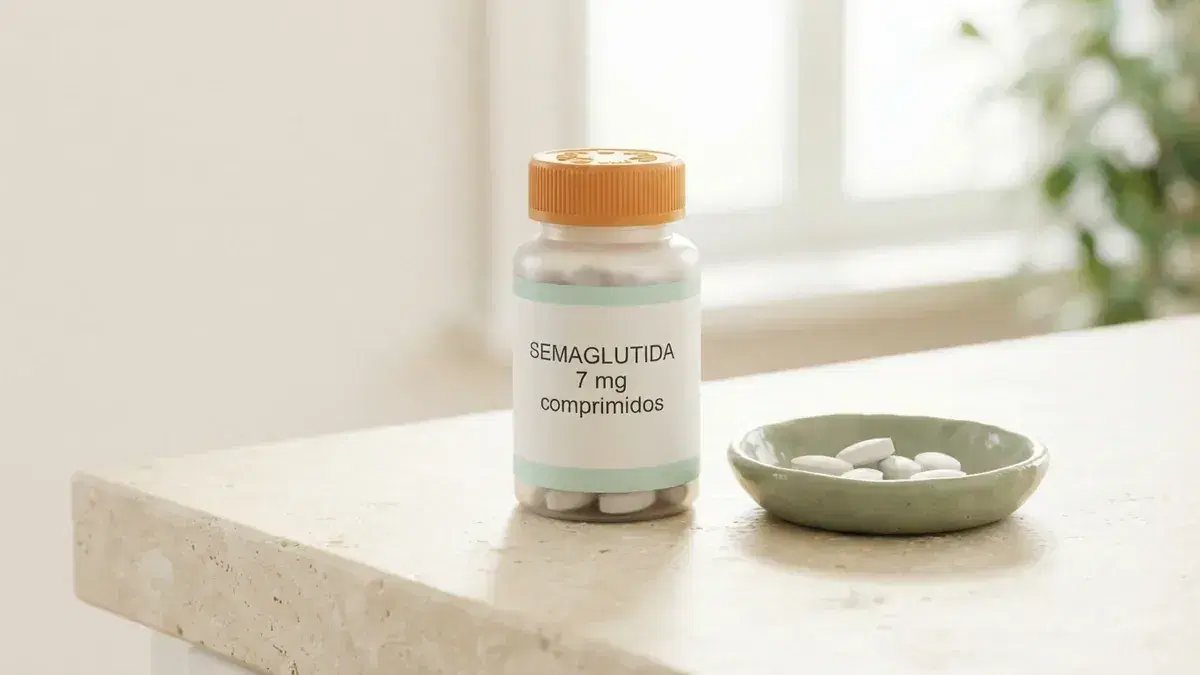
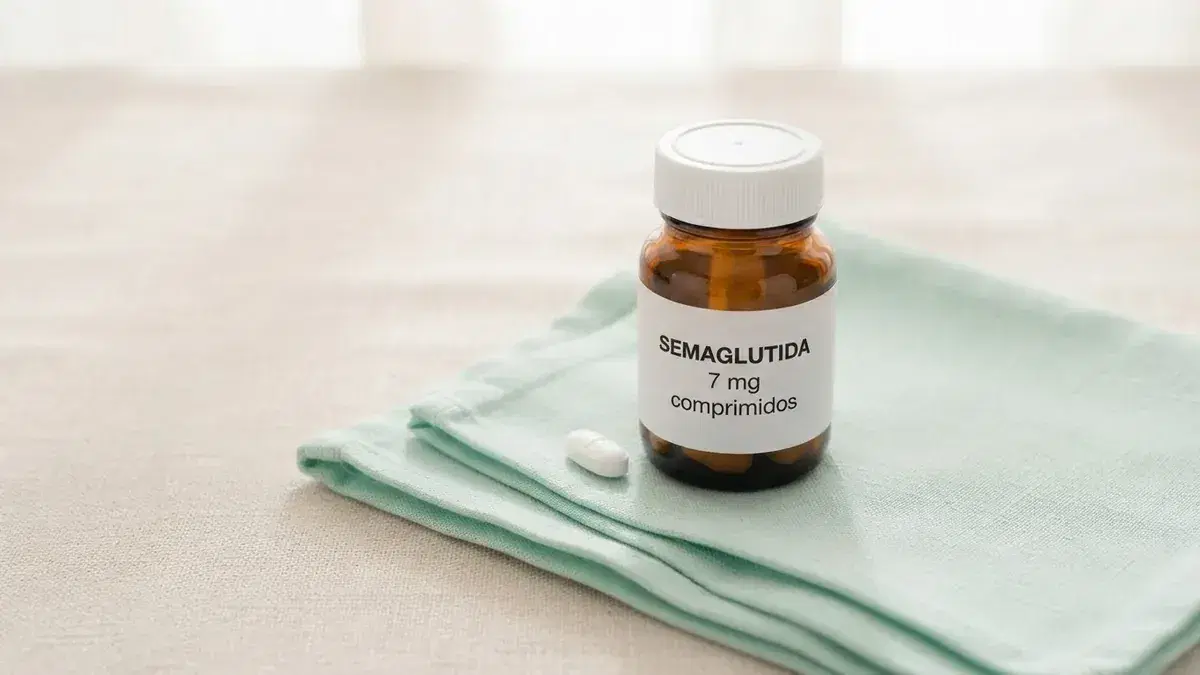
Currently, most GLP-1 drugs are administered via injection. However, the development of oral GLP-1 medications is gaining momentum. Oral GLP-1 options would offer a more convenient and patient-friendly alternative to injections. While oral semaglutide (Rybelsus) is already available for type 2 diabetes, new oral GLP-1 formulations with improved absorption and bioavailability are expected to emerge by 2026.
Personalized Treatment Approaches
As our understanding of the genetic and biological factors that influence weight gain and response to medications improves, personalized treatment approaches will become more common. This may involve:
- Genetic testing: Identifying genetic markers that predict an individual’s response to specific GLP-1 drugs.
- Biomarker analysis: Measuring levels of certain hormones or metabolites to tailor treatment plans.
- Lifestyle integration: Combining GLP-1 therapy with personalized diet and exercise recommendations for optimal results.
Potential Benefits and Risks
The advancements in GLP-1 drug development offer numerous potential benefits, including:
- More effective weight loss: New drugs and combination therapies may help individuals achieve greater and more sustainable weight loss.
- Improved metabolic health: GLP-1 drugs can improve blood sugar control, lower blood pressure, and reduce cholesterol levels, leading to better overall metabolic health.
- Reduced risk of obesity-related complications: Weight loss achieved with GLP-1 drugs can lower the risk of type 2 diabetes, heart disease, stroke, and certain types of cancer.
- Enhanced quality of life: Losing weight and improving metabolic health can lead to increased energy levels, better mobility, and improved self-esteem.
However, it’s important to acknowledge the potential risks and side effects associated with GLP-1 drugs. Common side effects include nausea, vomiting, diarrhea, constipation, and abdominal pain. In rare cases, more serious side effects such as pancreatitis, gallbladder disease, and kidney problems can occur. It’s crucial to discuss the potential risks and benefits with a healthcare provider before starting GLP-1 therapy.
How Hi Doctor Helps
Hi Doctor offers a convenient and accessible way to explore weight loss treatments from the comfort of your home. Our EU-licensed doctors provide online consultations to determine if GLP-1 medications are right for you. Skip the waiting room and receive a personalized treatment plan tailored to your individual needs. If a prescription is deemed appropriate, you'll receive it in under 24 hours. We offer a consultation fee of 25€ every 28 days (cancel anytime) or 35€ one-off, with a full refund if no prescription is issued.
Ready to Get Started?
Ready to start your weight loss journey? Get your online consultation with Hi Doctor—EU-licensed doctors, consultation fee of 25€ every 28 days or 35€ one-off, prescriptions in under 24 hours.
Hi Doctor provides telemedicine consultations. All treatments are prescribed by EU-licensed doctors after reviewing your medical history. We do not sell or ship medications—prescriptions can be used at any licensed pharmacy in the EU.