Weight loss6 minute read
Weight Loss Medication and Cravings: A Comprehensive Guide
Struggling with cravings? Get a prescription for weight loss medication online from an EU-licensed doctor. Consultation for €25 every 28 days or €35 one-off, prescription in under 24 hours, valid at any EU pharmacy.

DIRECT ANSWER
An online consultation lets an EU-licensed doctor review your case and, if appropriate, issue an electronic prescription; each pharmacy decides whether it can dispense it.
Doctor reply in under 2 hours
Average doctor reply under 2 hours; at night and on public holidays it can take longer, always within 24 hours. A prescription only if appropriate.
EU-licensed doctors
Every case is reviewed by an EU-licensed doctor.
Electronic prescription
Each pharmacy decides whether it can dispense an approved prescription; some do not accept PDF prescriptions.
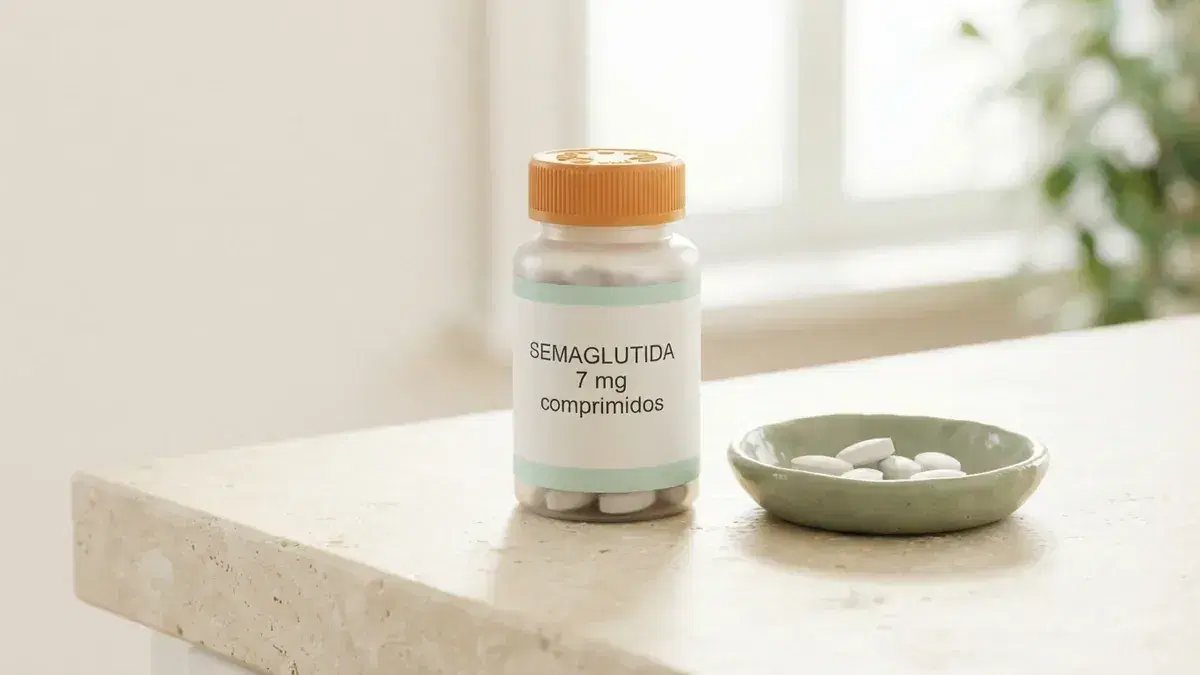
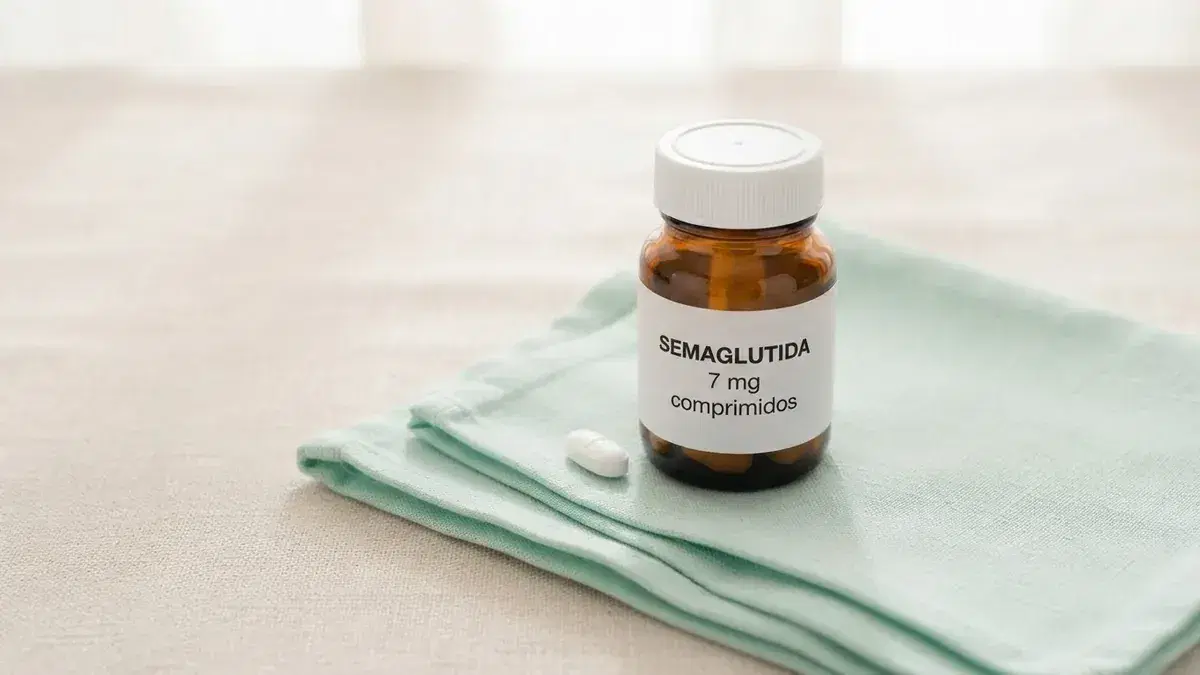
Looking to get a prescription for weight loss medication like semaglutide or tirzepatide online in the EU? You've landed in the right place. Hi-Doctor connects you with EU-licensed doctors who can assess your needs and, if appropriate, issue a digital prescription. The process is straightforward: an online consultation for €25 every 28 days (cancel anytime) or €35 one-off, a prescription within 24 hours if approved, and it's valid at any pharmacy across the EU. No risk — if the doctor determines the treatment is not suitable for you, your fee is fully refunded.
How it works: get your weight loss medication prescription in 4 steps
- Fill the online medical questionnaire (2–3 minutes) and pay the consultation fee of €25 every 28 days or €35 one-off.
- A licensed EU doctor reviews your case privately. If the doctor decides the treatment is not appropriate, your payment is refunded automatically — no risk, you pay nothing.
- If approved, you receive a valid electronic prescription (PDF file) in your Hi-Doctor account and by email within 24 hours.
- Print the PDF or show it on your phone and present it at any pharmacy in the EU (e.g., Spain, Portugal, Italy, France, Germany, Netherlands, Belgium, Austria, Ireland) to collect the medication.
Who qualifies for weight loss medication
Our EU-licensed doctors carefully review each patient's medical history to determine suitability. Generally, qualifications for GLP-1 medications like semaglutide (Wegovy) or tirzepatide (Mounjaro) include:
- A Body Mass Index (BMI) of 30 or higher (obesity).
- A BMI of 27 or higher (overweight) with at least one weight-related comorbidity such as type 2 diabetes, high blood pressure, or high cholesterol.
- No contraindications such as a personal or family history of medullary thyroid carcinoma or Multiple Endocrine Neoplasia syndrome type 2.
- Absence of severe gastrointestinal disease, pancreatitis, or significant kidney impairment.
The doctor looks for a clear medical indication and ensures there are no health risks that would make the medication unsafe for you.
Don't see your condition on Hi-Doctor yet?
Hi-Doctor is continuously onboarding EU-licensed specialists across new conditions. Register your interest and we'll notify you the moment a doctor is available for your case. In the meantime, see how the service works: online consultation for €25 every 28 days or €35 one-off, reply within 24 h, full refund if the doctor decides the treatment isn't appropriate.
What weight loss medication actually does (and doesn't do)
GLP-1 receptor agonists, such as semaglutide and tirzepatide, are not magic pills, but they are highly effective tools when used appropriately. They work by mimicking a natural gut hormone, GLP-1, which plays a key role in appetite regulation and blood sugar control. Here's how:
- Reduces Cravings and Appetite: They act on brain receptors to decrease hunger and reduce those intense food cravings, often referred to as "food noise."
- Slows Digestion: By slowing gastric emptying, you feel fuller for longer, leading to reduced food intake.
- Improves Blood Sugar: They help stabilize blood glucose levels, which can further curb cravings and support metabolic health.
Realistic timelines show initial appetite reduction within 1-4 weeks, with consistent craving reduction and noticeable weight loss by 2-3 months. Significant improvements are typically seen by 4-6 months. These medications are most effective when combined with healthy lifestyle changes.
Side effects and when to stop
Like all medications, GLP-1 agonists can have side effects. Most commonly, these include nausea, vomiting, diarrhea, or constipation, especially when starting treatment or increasing the dose. These are usually mild and temporary as your body adjusts. Less common but more serious side effects can include pancreatitis or gallbladder problems.
It's crucial to follow your doctor's instructions. You should contact your doctor immediately if you experience severe abdominal pain, persistent vomiting, or any other concerning symptoms. The doctor will discuss all potential side effects with you and guide you on when to stop or adjust your medication.
Why Hi-Doctor vs. walking into a clinic
Hi-Doctor offers a modern, patient-centric approach to accessing essential weight loss medication, designed for your convenience and privacy:
- Speed: Get a prescription in under 24 hours, compared to weeks or months for an in-person appointment.
- Price: A consultation fee of €25 every 28 days or €35 one-off, transparent and affordable, unlike variable private clinic fees.
- Privacy: Everything happens in your secure, RGPD-compliant Hi-Doctor account. No waiting rooms, no reception desks, no uncomfortable in-person conversations.
- Convenience: Access an EU-licensed doctor from your phone or computer, anywhere in the EU. No travel, no time off work.
- Trust: Over 50,000 patients served with a 4.8 Trustpilot rating. Our EU-licensed doctors review every case individually, ensuring safe and appropriate care.
Your interest guides which specialists we add next.
If your treatment isn't yet among Hi-Doctor's covered specialties, register at hi-doctor.ai so a doctor can notify you the moment we can handle your case. Our EU-licensed doctors issue electronic prescriptions as a PDF valid at any EU pharmacy, and if the doctor decides the treatment isn't appropriate, the consultation fee is refunded automatically.
COMMON QUESTIONS
Frequently asked questions
If the doctor determines the treatment is not appropriate for you, your consultation fee is refunded automatically. You pay nothing if the treatment isn't approved.