Weight loss5 minute read
Vitamin B12 and Semaglutide: Preventing Nutrient Deficiency
Considering Semaglutide for weight loss? Get your Semaglutide prescription online from an EU-licensed doctor. We explain how to get your medication quickly and safely, addressing potential nutrient concerns like B12 deficiency.
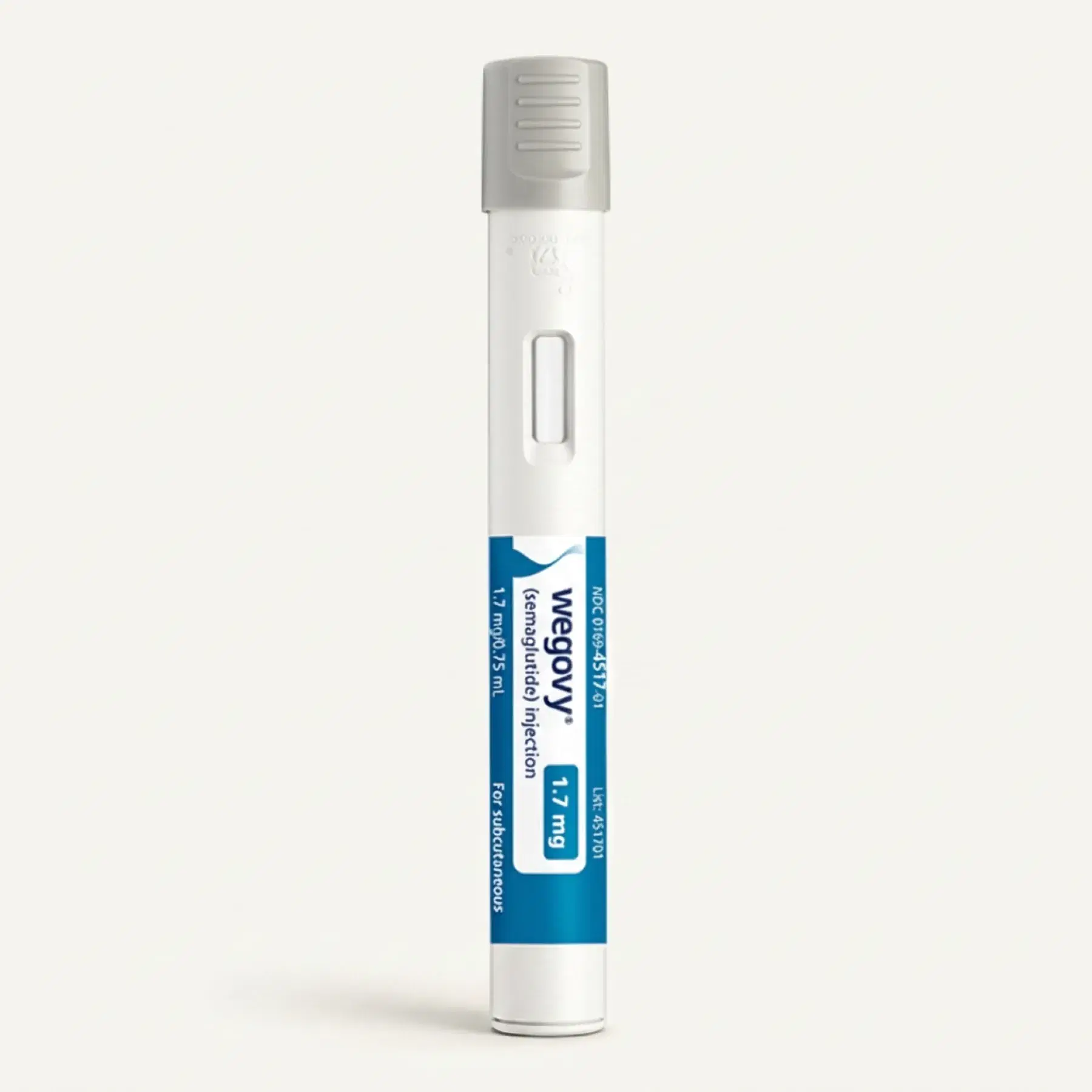
DIRECT ANSWER
An online consultation lets an EU-licensed doctor review your case and, if appropriate, issue an electronic prescription; each pharmacy decides whether it can dispense it.
Doctor reply in under 2 hours
Average doctor reply under 2 hours; at night and on public holidays it can take longer, always within 24 hours. A prescription only if appropriate.
EU-licensed doctors
Every case is reviewed by an EU-licensed doctor.
Electronic prescription
Each pharmacy decides whether it can dispense an approved prescription; some do not accept PDF prescriptions.
Are you looking to get a Semaglutide prescription online in Spain, France, or any other EU country? You can obtain Semaglutide through a licensed EU doctor, quickly and without a clinic visit. Hi-Doctor offers a convenient, safe, and affordable way to access treatment. Your online consultation costs just €25 every 28 days (cancel anytime) or €35 one-off, and if the doctor finds treatment appropriate, you receive a valid electronic prescription in under 24 hours. This prescription is valid at any EU pharmacy, allowing you to pick up your medication with ease.
How it works: get your Semaglutide prescription in 4 steps
- Fill the online medical questionnaire (2–3 minutes). Provide your health details securely within our app.
- A licensed EU doctor reviews your case in private. Our EU-licensed doctors individually assess your medical history and current health.
- If appropriate, you receive a valid electronic prescription within 24 hours. The prescription is delivered to your private account and by email, ready for use.
- Pick up your medication at any EU pharmacy. Your prescription is valid across the entire European Union, from Spain to Germany.
Who qualifies for Semaglutide
When you consult with an EU-licensed doctor for Semaglutide, they look for specific criteria to ensure the treatment is safe and effective for you. Semaglutide is typically prescribed for adults with obesity (BMI of 30 kg/m² or greater) or those who are overweight (BMI of 27 kg/m² or greater) and have at least one weight-related comorbidity, such as type 2 diabetes, high blood pressure, or high cholesterol. The doctor assesses your full medical history, including any existing conditions like thyroid issues, pancreatitis, or severe gastrointestinal disease, and current medications to determine if Semaglutide is appropriate. It is not prescribed if you are pregnant, breastfeeding, or have a personal or family history of medullary thyroid carcinoma or Multiple Endocrine Neoplasia syndrome type 2 (MEN 2).
What Semaglutide actually does (and doesn't do)
Semaglutide is a GLP-1 receptor agonist. It works by mimicking a natural hormone that targets areas of the brain involved in appetite regulation. This leads to a feeling of fullness, reduced hunger, and slower stomach emptying, which helps you eat less and feel satisfied longer. It also helps regulate blood sugar levels. What Semaglutide does not do is provide instant results; significant weight loss typically occurs over several months, alongside diet and exercise. It is a tool to support weight management, not a magic bullet. Be aware that the body adapts over time, and consistent lifestyle changes are crucial for long-term success.
Looking for a medical weight management path?
An EU-licensed doctor reviews your history, BMI and goals and decides whether weight management treatment is appropriate for you. €25 every 28 days or €35 one-off, reply within 24 h.
Start my weight consultation →
Side effects and when to stop
Like all medications, Semaglutide can cause side effects. Common ones include nausea, vomiting, diarrhea, constipation, and abdominal pain, especially when starting treatment or increasing the dose. These usually lessen over time. More serious, though rare, side effects can include pancreatitis, gallbladder problems, kidney issues, and allergic reactions. It is crucial to stop Semaglutide and seek immediate medical attention if you experience severe abdominal pain, persistent vomiting, or signs of a serious allergic reaction (e.g., swelling of face/throat, difficulty breathing). Always discuss any concerning side effects with your Hi-Doctor EU-licensed doctor through our private, RGPD-compliant chat within your account.
Why Hi-Doctor vs. walking into a clinic
Choosing Hi-Doctor for your Semaglutide prescription offers significant advantages over traditional clinic visits. With Hi-Doctor, you experience unparalleled speed – your valid electronic prescription can be issued in under 24 hours, compared to weeks of waiting for an in-person appointment. The price is transparent and affordable: €25 every 28 days or €35 one-off for your online consultation, avoiding variable and often higher private clinic fees. Your privacy is paramount; everything happens within our secure app, eliminating the need for bustling reception desks or in-person interactions. This provides ultimate convenience – manage your health from your phone, without travel or waiting rooms. We have served over 50,000 patients and maintain a 4.8 Trustpilot rating, reflecting our commitment to accessible, high-quality care from EU-licensed doctors.
A medical plan, not a diet.
Take the online questionnaire. A licensed EU doctor evaluates whether weight management treatment is appropriate for your case and, if so, issues a valid electronic prescription within 24 hours.
COMMON QUESTIONS
Frequently asked questions
Yes, it is legal to get a Semaglutide prescription online from an EU-licensed doctor. Our doctors review your case individually and issue valid electronic prescriptions accepted across the European Union.