Weight loss5 minute read
GLP-1 Medications: How Soon Can You Expect Cravings to Decrease?
Get your Semaglutide prescription online through Hi Doctor. EU-licensed doctors review your case, and if appropriate, issue a valid electronic prescription in under 24 hours. Use it at any EU pharmacy for €25.

DIRECT ANSWER
An online consultation lets an EU-licensed doctor review your case and, if appropriate, issue an electronic prescription; each pharmacy decides whether it can dispense it.
Doctor reply in under 2 hours
Average doctor reply under 2 hours; at night and on public holidays it can take longer, always within 24 hours. A prescription only if appropriate.
EU-licensed doctors
Every case is reviewed by an EU-licensed doctor.
Electronic prescription
Each pharmacy decides whether it can dispense an approved prescription; some do not accept PDF prescriptions.
You're searching for answers about Semaglutide and how it can help with cravings. Specifically, you want to know if you can get a Semaglutide prescription online in Spain or any other EU country. Yes, you can. Hi-Doctor connects you with EU-licensed doctors who review your case individually. If the doctor finds treatment appropriate, you receive a valid electronic prescription in under 24 hours. The consultation is €25 every 28 days (cancel anytime) or €35 one-off, and your prescription is valid at ANY EU pharmacy.
How it works: get your Semaglutide prescription in 4 steps
- Fill the online medical questionnaire (2–3 minutes). Provide your health details securely through our app.
- A licensed EU doctor reviews your case in private. Our doctors assess your information carefully and confidentially.
- If appropriate, you receive a valid electronic prescription within 24 hours. This prescription is delivered directly to your private account and by email.
- Pick up your medication at any EU pharmacy. Your prescription is valid across the EU, including Spain, Portugal, Italy, France, and Germany.
Who qualifies for Semaglutide
Our EU-licensed doctors look for specific criteria to determine if Semaglutide is appropriate for you. Generally, Semaglutide (a GLP-1 medication) is prescribed for adults with a Body Mass Index (BMI) of 30 kg/m² or greater (obesity), or a BMI of 27 kg/m² or greater (overweight) with at least one weight-related comorbidity such as type 2 diabetes, high blood pressure, or dyslipidemia. Contraindications include a personal or family history of medullary thyroid carcinoma (MTC) or Multiple Endocrine Neoplasia syndrome type 2 (MEN 2), history of pancreatitis, or severe allergic reactions to Semaglutide.
What Semaglutide actually does (and doesn't do)
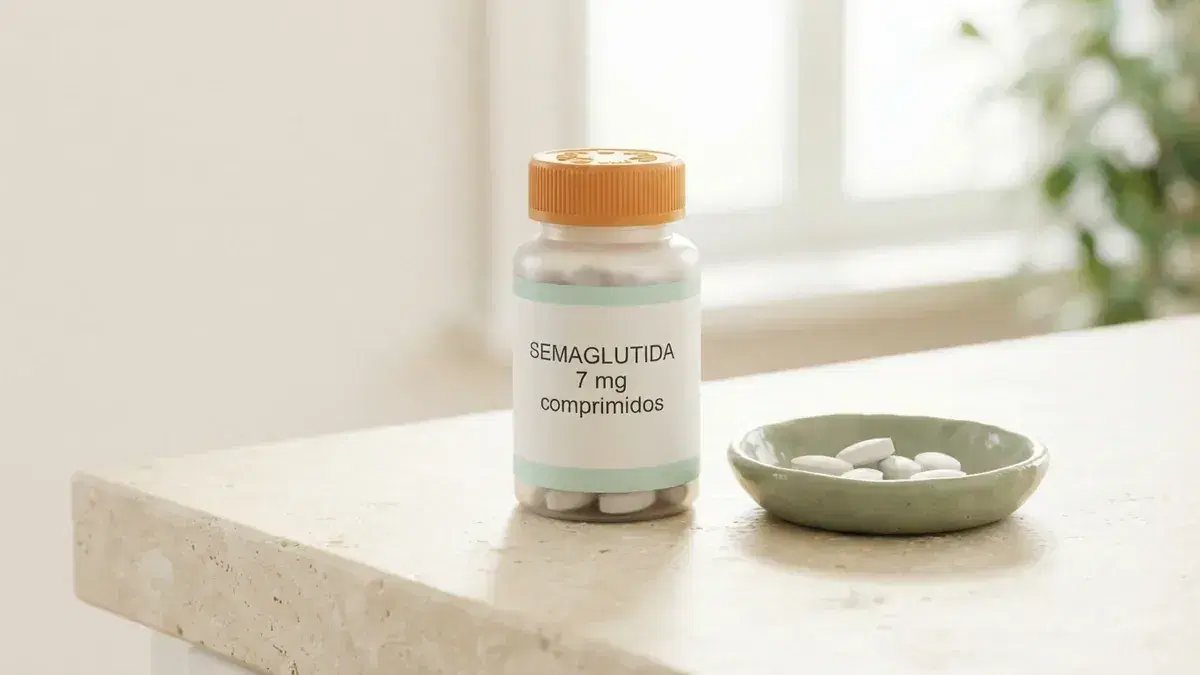
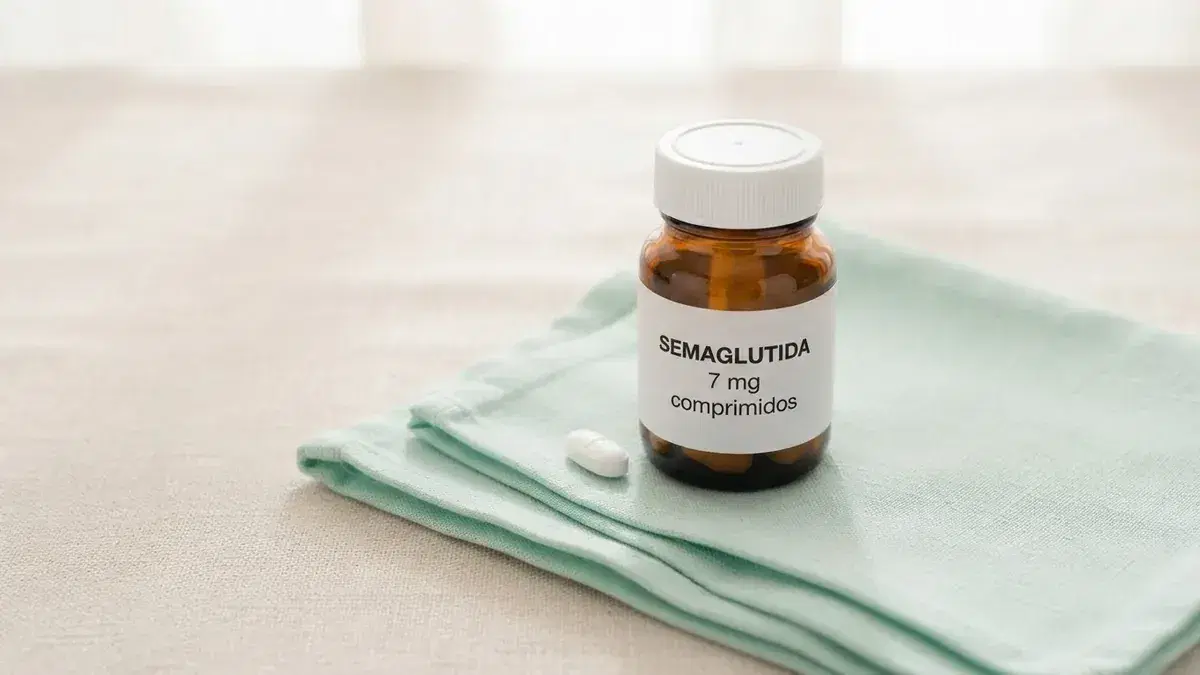
Semaglutide works by mimicking glucagon-like peptide-1 (GLP-1), a natural hormone that targets areas of the brain involved in appetite regulation. This helps you feel fuller faster and for longer, reducing overall food intake and cravings. It also slows down gastric emptying, keeping food in your stomach longer and contributing to satiety. Many patients report a noticeable decrease in cravings within the first few weeks, often within the first month, as their body adjusts to the medication and dosage increases. However, Semaglutide is not a magic bullet. It is most effective when combined with lifestyle changes, including a reduced-calorie diet and increased physical activity. It doesn't eliminate the need for healthy habits, but it makes adhering to them significantly easier.
Looking for a medical weight management path?
An EU-licensed doctor reviews your history, BMI and goals and decides whether weight management treatment is appropriate for you. €25 every 28 days or €35 one-off, reply within 24 h.
Start my weight consultation →
Side effects and when to stop
Like all medications, Semaglutide can cause side effects. The most common ones are mild and temporary, including nausea, vomiting, diarrhea, and constipation, especially when you first start treatment or increase your dose. These usually subside as your body adjusts. To minimise these, doctors typically start with a low dose and gradually increase it. More serious, though rare, side effects can include pancreatitis or gallbladder problems. It's crucial to report any persistent or severe symptoms to your doctor immediately. If side effects become intolerable or concerning, your doctor may advise adjusting the dosage or discontinuing the medication. Your safety and well-being are always the priority.
Why Hi-Doctor vs. walking into a clinic
Choosing Hi-Doctor for your Semaglutide prescription means choosing speed, convenience, and privacy. Forget weeks of waiting for an in-person appointment; with Hi-Doctor, an EU-licensed doctor reviews your case, and if appropriate, issues a prescription in under 24 hours. Our consultation fee of €25 every 28 days or €35 one-off is transparent and often significantly less than private clinic visits. Everything happens within our secure, RGPD-compliant app – no waiting rooms, no travel, no awkward conversations at a reception desk. You can chat privately with your doctor directly in your account. We've served over 50,000 patients with a 4.8 Trustpilot rating, proving our commitment to discreet, efficient, and high-quality care.
A medical plan, not a diet.
Take the online questionnaire. A licensed EU doctor evaluates whether weight management treatment is appropriate for your case and, if so, issues a valid electronic prescription within 24 hours.
COMMON QUESTIONS
Frequently asked questions
Yes, it is legal to get a Semaglutide prescription online in Spain and other EU countries through a licensed EU telemedicine platform like Hi-Doctor. Our EU-licensed doctors issue valid electronic prescriptions.