Wie GLP-1-Rezeptoragonisten den Appetit unterdrücken: Die Wissenschaft erklärt
GLP-1-Rezeptoragonisten sind Medikamente, die das Gewichtsmanagement unterstützen, indem sie den Appetit reduzieren und die Blutzuckerkontrolle verbessern.

GLP-1-Rezeptoragonisten sind Medikamente, die bei der Behandlung von Typ-2-Diabetes und Adipositas eingesetzt werden. Sie wirken, indem sie die Wirkung eines natürlichen Hormons namens Glucagon-like Peptid-1 (GLP-1) nachahmen. Dieses Hormon spielt eine entscheidende Rolle bei der Regulierung des Blutzuckerspiegels und des Appetits.
Wie GLP-1-Rezeptoragonisten funktionieren
GLP-1-Rezeptoragonisten binden an GLP-1-Rezeptoren im Körper, die sich in verschiedenen Organen befinden, darunter im Gehirn, im Magen-Darm-Trakt und in der Bauchspeicheldrüse. Durch die Aktivierung dieser Rezeptoren entfalten sie mehrere Wirkungen:
- Stimulation der Insulinsekretion: Sie regen die Bauchspeicheldrüse an, Insulin freizusetzen, wenn der Blutzuckerspiegel hoch ist. Insulin hilft, Glukose aus dem Blut in die Zellen zu transportieren, wo sie zur Energiegewinnung genutzt oder gespeichert wird.
- Unterdrückung der Glucagonsekretion: Sie reduzieren die Freisetzung von Glucagon, einem Hormon, das den Blutzuckerspiegel erhöht.
- Verlangsamung der Magenentleerung: Sie verlangsamen die Geschwindigkeit, mit der die Nahrung den Magen verlässt. Dies führt zu einem längeren Sättigungsgefühl und kann die Nahrungsaufnahme reduzieren.
- Wirkung auf das Gehirn: Sie wirken auf das Gehirn, insbesondere auf Regionen, die an der Appetitregulierung beteiligt sind. Dies führt zu einem verminderten Hungergefühl und einer erhöhten Sättigung.
GLP-1-Rezeptoragonisten und Gewichtsverlust
Die Fähigkeit von GLP-1-Rezeptoragonisten, den Appetit zu unterdrücken und die Magenentleerung zu verlangsamen, macht sie zu wirksamen Medikamenten zur Gewichtsreduktion. Studien haben gezeigt, dass Patienten, die diese Medikamente einnehmen, signifikante Mengen an Gewicht verlieren können.
Einige der häufig verschriebenen GLP-1-Rezeptoragonisten sind:
- Ozempic (Semaglutid)
- Wegovy (Semaglutid)
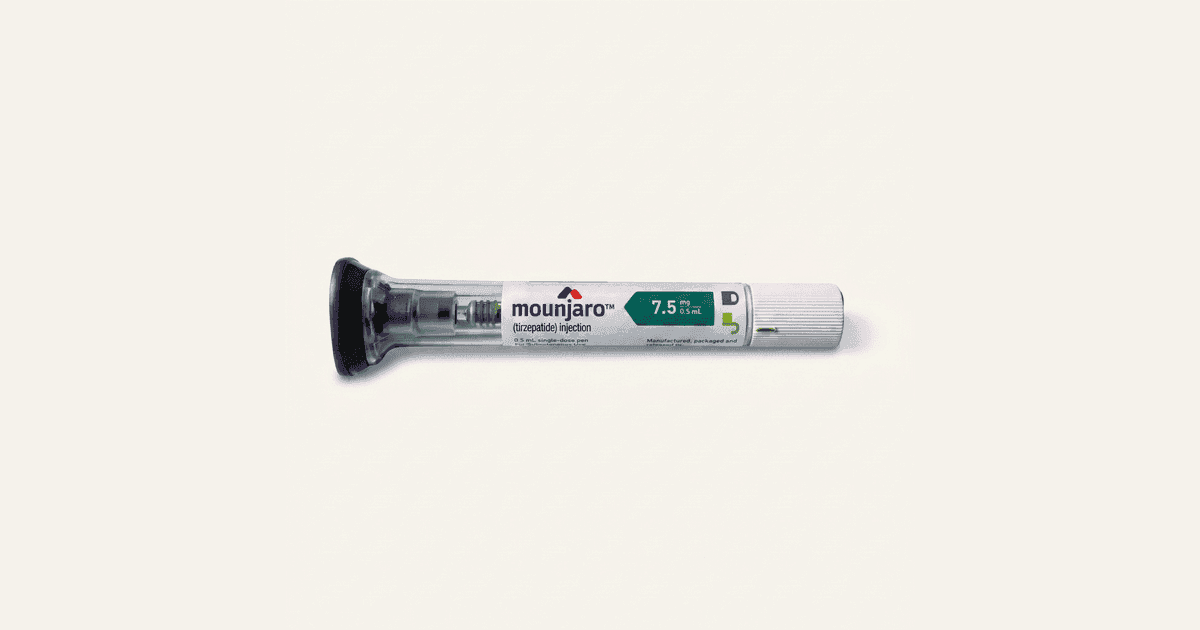
- Mounjaro (Tirzepatid)
- Saxenda (Liraglutid)
Es ist wichtig zu beachten, dass diese Medikamente in der Regel in Verbindung mit Änderungen des Lebensstils, wie Ernährung und Bewegung, angewendet werden.
Nebenwirkungen
Wie alle Medikamente können GLP-1-Rezeptoragonisten Nebenwirkungen haben. Die häufigsten sind gastrointestinale Beschwerden wie Übelkeit, Erbrechen, Durchfall und Verstopfung. Diese Nebenwirkungen sind in der Regel mild und vorübergehend.
Seltenere, aber ernstere Nebenwirkungen können Pankreatitis (Entzündung der Bauchspeicheldrüse) und Gallenblasenprobleme sein. Patienten sollten alle Bedenken oder Nebenwirkungen mit ihrem Arzt besprechen.
Wer sollte GLP-1-Rezeptoragonisten in Betracht ziehen?
GLP-1-Rezeptoragonisten sind für Personen mit Typ-2-Diabetes, die ihren Blutzucker kontrollieren müssen, und für Personen mit Adipositas oder Übergewicht mit gewichtsbedingten Begleiterkrankungen geeignet. Die Entscheidung, diese Medikamente zu verwenden, sollte in Absprache mit einem Arzt getroffen werden, der die individuellen Gesundheitsbedürfnisse und potenziellen Risiken beurteilen kann.
Fazit
GLP-1-Rezeptoragonisten sind eine wichtige Behandlungsoption für Menschen mit Typ-2-Diabetes und Adipositas. Sie wirken, indem sie den Appetit unterdrücken, die Magenentleerung verlangsamen und die Insulinsekretion verbessern, was zu einer besseren Blutzuckerkontrolle und Gewichtsabnahme führt. Wenn Sie glauben, dass diese Medikamente für Sie geeignet sein könnten, sprechen Sie mit Ihrem Arzt, um die beste Vorgehensweise zu besprechen.