Weight loss6 minute read
Cortisol and Weight: Managing Stress for Hair and Body Health
Struggling with weight gain or hair loss due to stress? Discover how Hi-Doctor's EU-licensed doctors can help manage cortisol-related issues online.

DIRECT ANSWER
An online consultation lets an EU-licensed doctor review your case and, if appropriate, issue an electronic prescription; each pharmacy decides whether it can dispense it.
Doctor reply in under 2 hours
Average doctor reply under 2 hours; at night and on public holidays it can take longer, always within 24 hours. A prescription only if appropriate.
EU-licensed doctors
Every case is reviewed by an EU-licensed doctor.
Electronic prescription
Each pharmacy decides whether it can dispense an approved prescription; some do not accept PDF prescriptions.
Chronic stress can significantly impact your body, leading to issues like weight gain and hair loss. If you're searching for a way to address these concerns, you've come to the right place. Hi-Doctor connects you with EU-licensed doctors who can assess your situation online and, if appropriate, issue a prescription to help manage conditions related to cortisol. This includes medications that can aid in weight management or address hair health. The process is simple: an online consultation for €25 every 28 days (cancel anytime) or €35 one-off, a prescription within 24 hours if approved, and the ability to pick up your medication at any pharmacy across the EU.
How it works: get your prescription in 4 steps
- Fill out a brief online medical questionnaire (2–3 minutes) and pay the consultation fee of €25 every 28 days or €35 one-off.
- A licensed EU doctor privately reviews your case. If the doctor determines the treatment is not appropriate for you, your payment is refunded automatically — you pay nothing.
- If approved, you receive a valid electronic prescription (PDF file) in your Hi-Doctor account and by email within 24 hours.
- Print the PDF or show it on your phone and present it at any pharmacy in the EU to collect your medication.
Who qualifies for medication
Our EU-licensed doctors carefully evaluate each patient's medical history, current health status, and symptoms to determine the most appropriate treatment plan. For weight management, this often includes assessing your Body Mass Index (BMI) and any underlying health conditions. For hair health concerns, the doctor will consider the type and cause of your hair loss. They look for specific criteria to ensure the medication is safe and effective for you, while also identifying any contraindications that would make treatment unsuitable. This individual review ensures you receive personalized and responsible care.
What the medication actually does (and doesn't do)
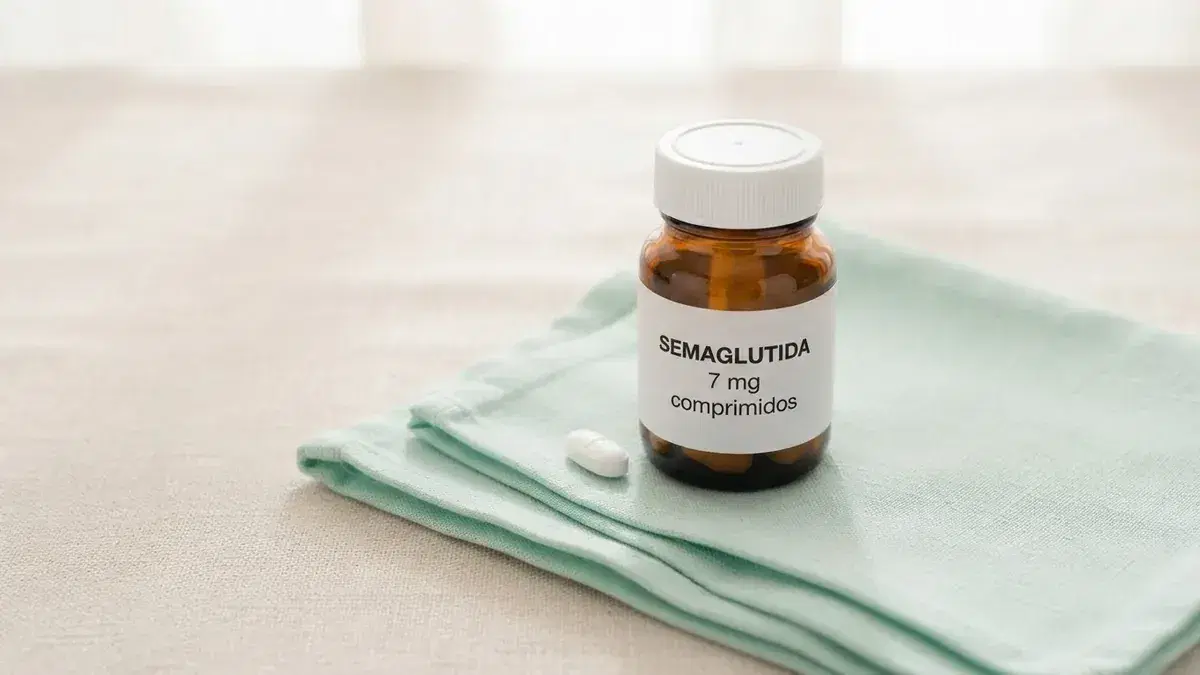
Medications prescribed to help manage conditions related to cortisol, such as those for weight management (e.g., GLP-1 agonists like semaglutide or tirzepatide) or hair health, work through various mechanisms. For weight, GLP-1s help by regulating appetite, increasing feelings of fullness, and slowing gastric emptying, leading to reduced calorie intake and weight loss over time. They are not a quick fix but support sustainable weight management when combined with lifestyle changes. For hair, certain medications can stimulate follicle growth or reduce hair shedding. It's important to understand that these treatments are part of a broader health strategy and results vary by individual. They do not magically erase stress or its effects but can significantly aid in managing its physical manifestations.
Don't see your condition on Hi-Doctor yet?
Hi-Doctor is continuously onboarding EU-licensed specialists across new conditions. Register your interest and we'll notify you the moment a doctor is available for your case. In the meantime, see how the service works: online consultation for €25 every 28 days or €35 one-off, reply within 24 h, full refund if the doctor decides the treatment isn't appropriate.
Side effects and when to stop
Like all medications, those prescribed for weight management or hair health can have side effects. Common side effects for GLP-1 agonists may include nausea, vomiting, diarrhoea, or constipation, especially when starting treatment. For hair loss treatments, side effects can include scalp irritation or, in rare cases, more systemic effects. Your doctor will discuss potential side effects with you during the consultation and provide guidance on managing them. It's crucial to follow your doctor's instructions and discontinue the medication and seek medical advice immediately if you experience severe or concerning side effects.
Why Hi-Doctor vs. walking into a clinic
Choosing Hi-Doctor for your healthcare needs offers unparalleled convenience and efficiency compared to traditional clinic visits. With Hi-Doctor, you benefit from:
- Speed: Receive your prescription within 24 hours, compared to weeks of waiting for a clinic appointment.
- Price: A consultation fee of €25 every 28 days or €35 one-off, with a money-back guarantee, versus variable and often higher private clinic fees.
- Privacy: All consultations and communication happen securely within your private Hi-Doctor account, away from reception desks and waiting rooms.
- Convenience: Access expert medical advice and prescriptions from your phone or computer, eliminating travel and time off work.
We've served over 50,000 patients with a 4.8 Trustpilot rating, proving our commitment to reliable, patient-centred care – all without the need for WhatsApp, SMS, or in-person visits.
Your interest guides which specialists we add next.
If your treatment isn't yet among Hi-Doctor's covered specialties, register at hi-doctor.ai so a doctor can notify you the moment we can handle your case. Our EU-licensed doctors issue electronic prescriptions as a PDF valid at any EU pharmacy, and if the doctor decides the treatment isn't appropriate, the consultation fee is refunded automatically.
COMMON QUESTIONS
Frequently asked questions
If our EU-licensed doctor determines that the treatment is not appropriate for you, your consultation fee is refunded automatically. You pay nothing if the treatment isn't approved.