Sexual health6 minute read
Age-Related Testosterone Decline: What's Normal and What to Do?
Concerned about age-related testosterone decline? Get a prescription for Testosterone Replacement Therapy (TRT) online from an EU-licensed doctor. €35 consultation fee, prescription in under 24 hours, valid at any EU pharmacy.
DIRECT ANSWER
An online consultation lets an EU-licensed doctor review your case and, if appropriate, issue an electronic prescription; each pharmacy decides whether it can dispense it.
Doctor reply in under 2 hours
Average doctor reply under 2 hours; at night and on public holidays it can take longer, always within 24 hours. A prescription only if appropriate.
EU-licensed doctors
Every case is reviewed by an EU-licensed doctor.
Electronic prescription
Each pharmacy decides whether it can dispense an approved prescription; some do not accept PDF prescriptions.
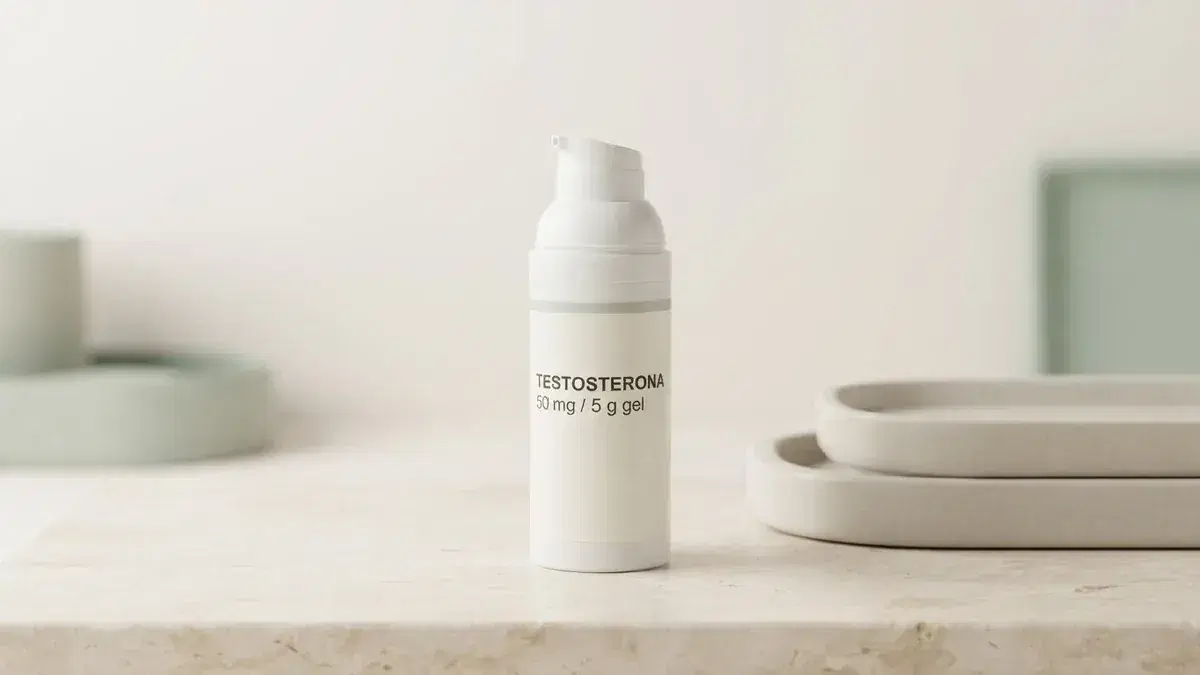
Are you searching for information on age-related testosterone decline and how to get a testosterone prescription online in the EU? You've come to the right place. Hi-Doctor connects you with EU-licensed doctors who can assess your symptoms and, if appropriate, issue a prescription for Testosterone Replacement Therapy (TRT) or other suitable treatments. Our online consultation costs just €35, and you receive your prescription within 24 hours, valid at any pharmacy across the EU. No risk: if the doctor determines treatment isn't suitable, your €35 consultation fee is fully refunded.
How it works: get your testosterone prescription in 4 steps
- Fill out the online medical questionnaire (2–3 minutes) and pay the €35 consultation fee.
- A licensed EU doctor reviews your case in private. If the doctor determines the treatment is not appropriate, your €35 is refunded automatically — you pay nothing.
- If approved, you receive a valid electronic prescription (PDF file) in your Hi-Doctor account and by email within 24 hours.
- Print the PDF or show it on your phone and present it at any pharmacy in the EU to collect your medication.
Who qualifies for Testosterone Replacement Therapy (TRT)
Our EU-licensed doctors look for specific criteria to determine if TRT is appropriate for you. Generally, you may qualify if you are an adult male experiencing symptoms of low testosterone, and blood tests confirm your testosterone levels are below the normal range for your age. These symptoms can include decreased libido, erectile dysfunction, fatigue, reduced muscle mass, increased body fat, mood changes, and decreased bone density. The doctor will review your full medical history, current health status, and any contraindications to ensure TRT is safe and beneficial for you.
What testosterone therapy actually does (and doesn't do)
Testosterone Replacement Therapy (TRT) aims to restore your testosterone levels to a healthy range, alleviating symptoms associated with its decline. It can improve energy levels, libido, mood, muscle mass, and bone density. You may start to feel improvements in energy and sex drive within weeks, while changes in muscle mass and bone density typically take several months. TRT is not a 'fountain of youth' and does not prevent natural aging. It specifically addresses symptoms caused by low testosterone, helping you regain quality of life, but it won't cure all age-related issues.
Don't see your condition on Hi-Doctor yet?
Hi-Doctor is continuously onboarding EU-licensed specialists across new conditions. Register your interest and we'll notify you the moment a doctor is available for your case. In the meantime, see how the service works: €35 online consultation, reply within 24 h, full refund if the doctor decides the treatment isn't appropriate.
Side effects and when to stop
While TRT is effective, it can have side effects. Common ones include acne, oily skin, breast enlargement (gynecomastia), and an increased red blood cell count. More serious, though rare, risks include sleep apnea, prostate enlargement, and potential cardiovascular events. Your doctor will monitor you closely during treatment to manage these risks. It's crucial to inform your doctor if you experience any concerning side effects. TRT should be stopped if side effects become severe, if your testosterone levels become too high, or if your doctor determines it's no longer appropriate for your health condition.
Why Hi-Doctor vs. walking into a clinic
Choosing Hi-Doctor for your testosterone prescription offers unparalleled convenience and efficiency compared to traditional clinic visits:
- Speed: Get your prescription in under 24 hours vs. waiting weeks for an in-person appointment.
- Price: A flat €35 consultation fee vs. variable, often higher, private clinic fees.
- Privacy: Everything happens securely within our app – no waiting rooms, no public reception desks.
- Convenience: Access an EU-licensed doctor from your phone, wherever you are, without traveling across town.
We've served over 50,000 patients with a 4.8 Trustpilot rating, ensuring a trusted and discreet experience.
Your interest guides which specialists we add next.
If your treatment isn't yet among Hi-Doctor's covered specialties, register at hi-doctor.ai so a doctor can notify you the moment we can handle your case. Our EU-licensed doctors issue electronic prescriptions as a PDF valid at any EU pharmacy, and if the doctor decides the treatment isn't appropriate, the €35 consultation fee is refunded automatically.
COMMON QUESTIONS
Frequently asked questions
If the doctor determines that Testosterone Replacement Therapy is not appropriate for you, your €35 consultation fee is refunded automatically. You pay nothing if the treatment isn't approved, making it a no-risk consultation.