Oral vs. Topical Hair Loss Treatments: Which is Right?
On this page
Table of contents
Key Takeaways:
- Oral treatments (Finasteride, Dutasteride) target hormonal causes of hair loss, offering systemic effects.
- Topical treatments (Minoxidil, topical Finasteride/Dutasteride) work directly on the scalp, often with fewer systemic side effects.
- Combination therapy using both oral and topical agents can often yield superior results for many individuals.
- Hi Doctor AI offers convenient online consultations with EU-licensed doctors to help determine the best treatment path for you.
Hair loss is a common concern affecting millions worldwide, significantly impacting self-esteem and quality of life. Fortunately, medical science has made considerable strides in developing effective treatments. When exploring options, two primary categories emerge: oral medications and topical applications. Understanding the differences, benefits, and potential side effects of each is crucial for making an informed decision about your hair restoration journey.
Understanding Androgenetic Alopecia (Pattern Hair Loss)
Before diving into treatments, it's important to understand the most common cause of hair loss: androgenetic alopecia, also known as male or female pattern baldness. This condition is primarily genetic and hormonal. In individuals predisposed to it, dihydrotestosterone (DHT), a potent derivative of testosterone, binds to receptors in hair follicles, causing them to shrink, weaken, and eventually stop producing hair. This process is called miniaturization.
Effective hair loss treatments typically work by either:
- Inhibiting the production or action of DHT.
- Stimulating blood flow and nutrient delivery to hair follicles.
- Extending the anagen (growth) phase of the hair cycle.
Oral Hair Loss Treatments: Systemic Approach
Oral medications work systemically, meaning they affect the entire body. They are often highly effective because they address the internal hormonal mechanisms that drive androgenetic alopecia.
1. Finasteride (e.g., Propecia)
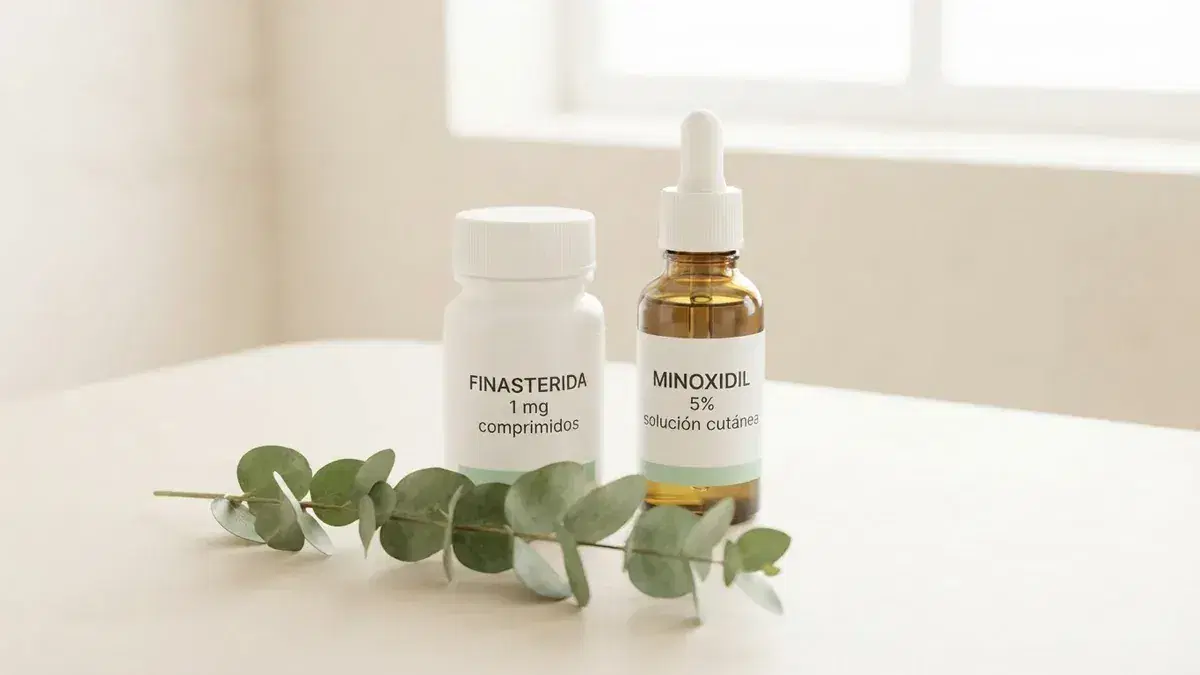
- How it works: Finasteride is a 5-alpha-reductase inhibitor. It blocks the enzyme 5-alpha-reductase, which converts testosterone into DHT. By lowering DHT levels in the scalp and serum, Finasteride reduces the miniaturization of hair follicles, leading to hair regrowth and slowing further loss.
- Effectiveness: Highly effective for men, with studies showing that about 83% of men either maintain their hair count or experience regrowth after five years of use. It is generally not recommended for women of childbearing potential due to potential risks to a male fetus.
- Dosage: Typically 1mg once daily.
- Timeline for results: Initial improvements may be seen within 3-6 months, with full effects typically observed after 12 months of consistent use. A 'shedding phase' can occur in the first few months as old, miniaturized hairs make way for new growth.
- Potential side effects: Generally well-tolerated, but a small percentage of men may experience sexual side effects such as decreased libido, erectile dysfunction, or ejaculatory dysfunction. These are often reversible upon discontinuation.
2. Dutasteride (e.g., Avodart)
- How it works: Similar to Finasteride, Dutasteride is also a 5-alpha-reductase inhibitor, but it blocks both type 1 and type 2 isoforms of the enzyme, making it more potent at reducing DHT levels (up to 90% reduction compared to Finasteride's 70%).
- Effectiveness: Studies suggest Dutasteride may be more effective than Finasteride in promoting hair regrowth and increasing hair density, particularly in the frontal hairline. Like Finasteride, it is primarily used in men.
- Dosage: Typically 0.5mg once daily.
- Timeline for results: Similar to Finasteride, results can be seen within 3-6 months, with optimal effects after 12-24 months.
- Potential side effects: Similar to Finasteride, with a slightly higher incidence of sexual side effects due to its stronger DHT suppression.
3. Oral Minoxidil
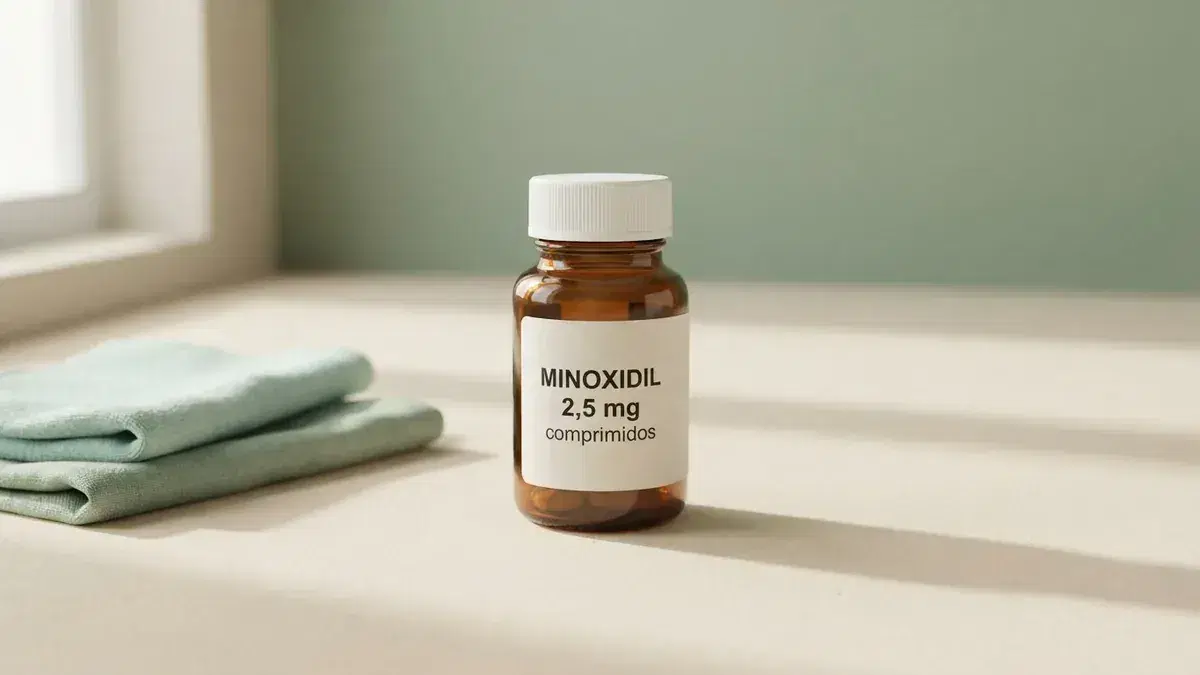
- How it works: Oral Minoxidil is taken as a pill and works as a vasodilator, increasing blood flow to hair follicles and delivering more oxygen and nutrients. It also prolongs the anagen (growth) phase of the hair cycle.
- Effectiveness: Increasingly recognized as an effective treatment for androgenetic alopecia in both men and women, especially in low doses.
- Dosage: Low doses are typically used for hair loss (e.g., 0.625mg to 5mg daily), significantly lower than doses used for hypertension.
- Timeline for results: Visible improvements can often be seen within 6-12 months.
- Potential side effects: Can include hypertrichosis (unwanted hair growth elsewhere on the body), dizziness, lightheadedness, and rarely, cardiovascular effects at higher doses. Low-dose oral minoxidil generally has a favorable safety profile.
Topical Hair Loss Treatments: Localized Approach
Topical treatments are applied directly to the scalp, aiming to stimulate hair growth locally with minimal systemic absorption. This often translates to fewer systemic side effects.
1. Topical Minoxidil (e.g., Rogaine)
- How it works: Applied directly to the scalp, topical Minoxidil stimulates hair follicles by increasing blood flow and prolonging the growth phase. It does not affect DHT levels.
- Effectiveness: Effective for both men and women, often slowing hair loss and promoting regrowth. It works best for early-stage hair loss and on the crown, though it can help the frontal area too.
- Dosage: Available in 2% and 5% solutions or foams, typically applied once or twice daily.
- Timeline for results: Consistent use for 4-6 months is usually required to see noticeable results. Initial shedding can occur.
- Potential side effects: Scalp irritation, itching, dryness, or unwanted facial hair growth if it drips onto other areas. Systemic side effects are rare but can include dizziness or rapid heartbeat.
2. Topical Finasteride and Dutasteride
- How it works: These are custom compounded topical solutions that deliver the DHT-blocking medication directly to the scalp, aiming to reduce scalp DHT levels while minimizing systemic absorption and potential side effects associated with oral forms.
- Effectiveness: Emerging research suggests topical Finasteride can be as effective as oral Finasteride for some individuals, with potentially fewer systemic side effects. Topical Dutasteride is also gaining traction for its enhanced potency.
- Dosage: Varies depending on the compound and concentration (e.g., Finasteride 0.25% + Minoxidil 5%, Dutasteride 0.5% + Minoxidil 5%).
- Timeline for results: Similar to oral forms, results typically appear within 6-12 months.
- Potential side effects: Scalp irritation, redness, and dryness are possible. While designed to limit systemic absorption, some individuals may still experience mild systemic side effects, though less frequently than with oral forms.
Combination Therapy: The Best of Both Worlds?
For many individuals, a combination of oral and topical treatments offers the most comprehensive approach to managing hair loss. For example, using oral Finasteride to address the hormonal component alongside topical Minoxidil to stimulate direct follicle growth can lead to superior results compared to either treatment alone.
This synergistic approach can target multiple pathways involved in hair loss, often leading to better hair density and reduced shedding.
Which Treatment is Right for You?
Choosing between oral and topical treatments, or deciding on a combination, requires a personalized approach. Several factors should be considered:
- Severity of Hair Loss: More advanced hair loss might benefit more from systemic oral treatments, potentially combined with topical agents.
- Desired Results: If you're looking for significant regrowth across the entire scalp, oral treatments might be more effective. If localized thickening is the goal, topicals could suffice.
- Tolerance to Side Effects: If you are highly sensitive to potential systemic side effects, topical treatments might be a preferred starting point.
- Convenience and Adherence: Oral pills are often easier to incorporate into a daily routine, while topical applications require consistent daily scalp application.
- Gender: Finasteride and Dutasteride are primarily for men. Women typically use topical Minoxidil or low-dose oral Minoxidil, often with other agents like spironolactone.
- Medical History: Pre-existing conditions or medications can influence treatment choice.
It's crucial to have an honest discussion with a healthcare professional to assess your specific situation, discuss your medical history, and determine the most suitable and safe treatment plan. They can help you weigh the benefits against the risks and guide you toward the best option for your hair loss journey.
Hi Doctor AI provides telemedicine consultations. All treatments are prescribed by EU-licensed doctors after reviewing your medical history. We do not sell or ship medications—prescriptions can be used at any licensed pharmacy in the EU.
Ready to take control of your hair growth? Get your online consultation with Hi Doctor AI—no video call needed, prescriptions in under 24 hours.
hi-doctor.ai Blog