

NOG NIET OP HI-DOCTOR
We behandelen Schildklieraandoening nog niet op Hi-Doctor.
Te traag en te snel werkende schildklier, met veel mogelijke oorzaken.
NOG NIET OP HI-DOCTOR
We laten het je weten wanneer Schildklieraandoening beschikbaar is
NOG NIET OP HI-DOCTOR
Schildklieraandoening
Schildklieraandoeningen vragen om specifieke endocrinologische opvolging. We behandelen ze nu niet; we halen endocrinologie aan boord en laten het weten.
BEHANDELINGEN
Drie categorieën, één proces.
Kies wat bij je past. De reis is identiek.
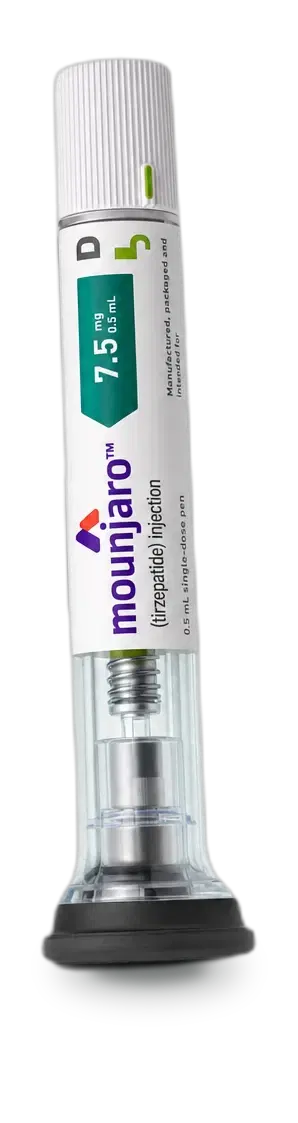
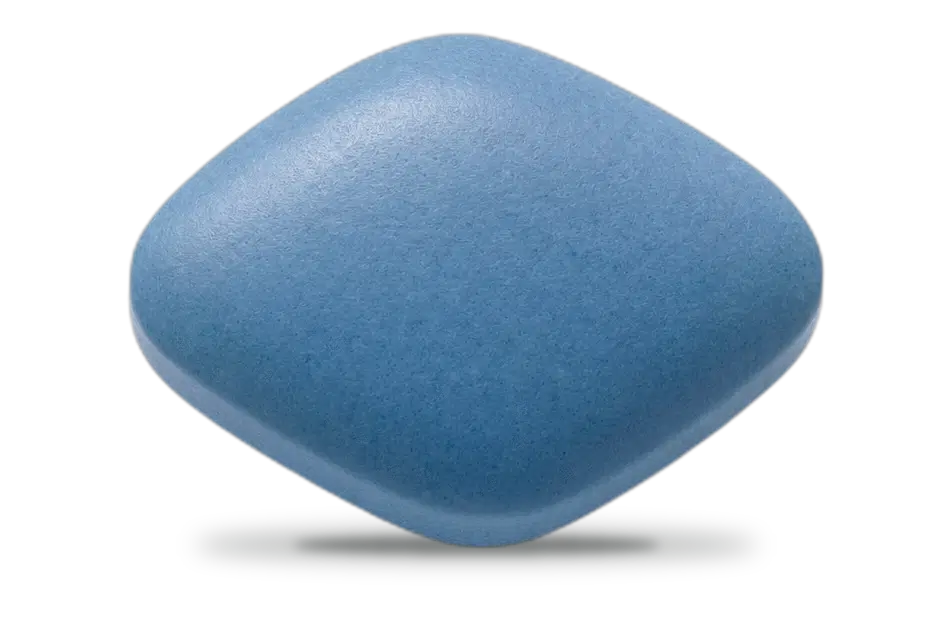
Erkende EU-artsen
Recept in <24 uur
50.000+ patiënten geholpen
Veilig patiëntenaccount
UW PAD · 5 STAPPEN
Uw weg naar behandeling
Van online consultatie tot doorlopende follow-up — zonder uw huis te verlaten.
- Start uw online bezoekBeantwoord een vragenlijst van 4 minuten over uw gezondheid en doel. Geen persoonlijke afspraak, geen reizen. U weet binnen 24 uur of u een kandidaat bent.
- Een arts beoordeelt uw casus (en geeft, indien van toepassing, een recept af)Een erkende arts beoordeelt uw antwoorden persoonlijk. Als ze verduidelijkingen nodig hebben, sturen ze u een bericht in de privéchat op uw account. Als de behandeling geschikt is, ondertekenen ze een elektronisch recept.
- Beoordeling en betalingAls de arts de behandeling niet goedkeurt, betalen we uw tarief van € 35 eenmalig binnen 48 uur volledig terug.
- Haal de behandeling op bij de apotheekNeem uw elektronisch recept mee naar elke EU-apotheek: in Spanje scant de apotheker de QR-code, elders in de EU toont u de PDF en krijgt u een lokaal verkrijgbaar equivalent met dezelfde werkzame stof. Wij verzenden zelf nooit medicijnen; de apotheker geeft ze af.
- Doorlopende ondersteuningPrivéchat met uw arts voor vragen. Check-in na 4 weken. Verlenging voordat uw recept verloopt.
NOTIFY ME
Leave your email and we'll notify you when Schildklieraandoening becomes available.
We only use your email for this notification. You can opt out at any time.
VEELGESTELDE VRAGEN
Over Schildklieraandoening
OOK BESCHIKBAAR IN