Crescimento capilar
Guia de tratamento Minoxidil
Tudo o que precisa de saber sobre minoxidil para o crescimento capilar — como usar, o que esperar, gerir efeitos secundários e quando contactar o seu médico.
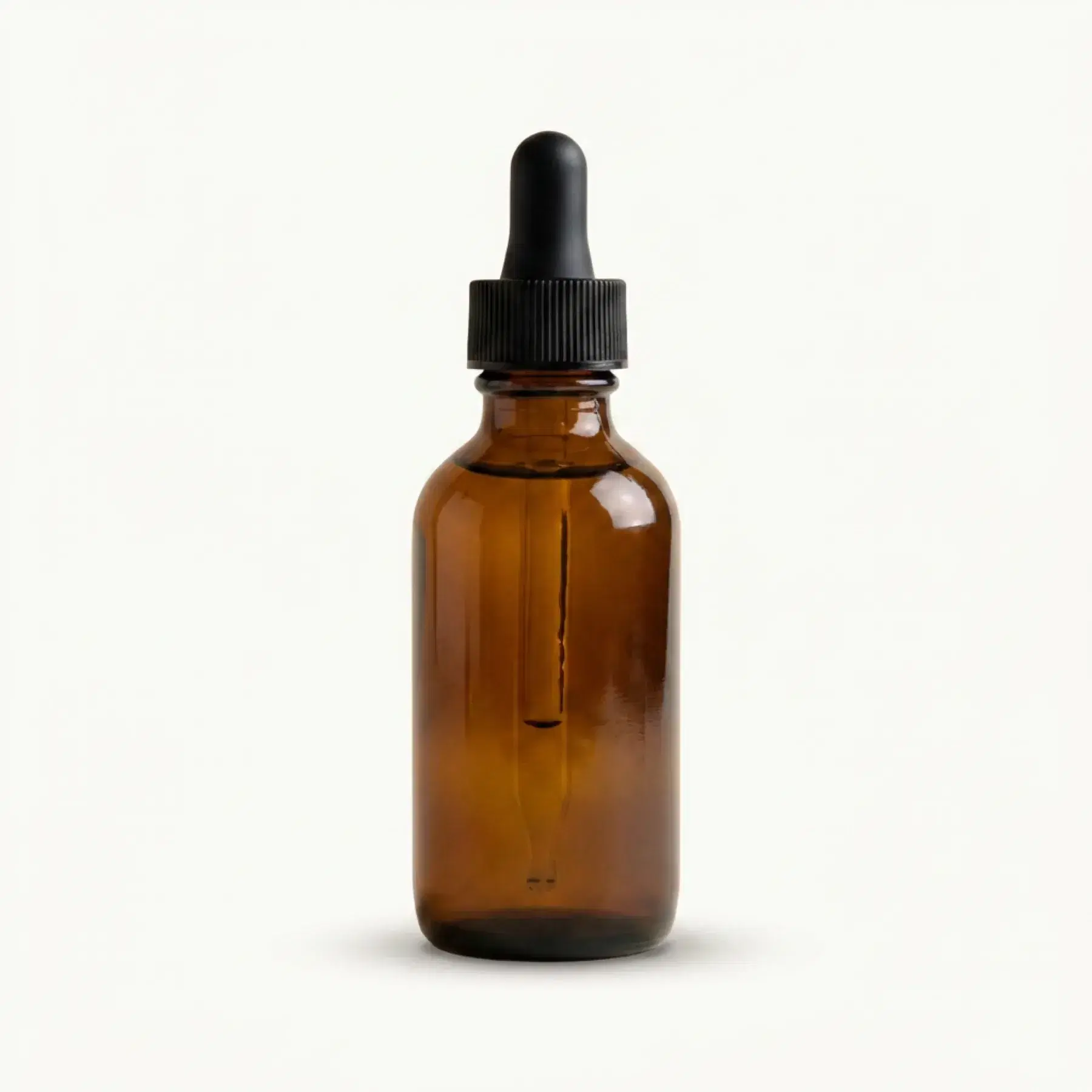
01 / 10
Como usar
- 01
Passo 1
Aplicação tópica
Aplique 1 ml da solução a 5% ou espuma no couro cabeludo duas vezes ao dia. Separe o cabelo na área de enfraquecimento e aplique diretamente no couro cabeludo, não no cabelo. Lave as mãos após cada aplicação. A formulação em espuma é preferível se tiver pele sensível.
- 02
Passo 2
A consistência é essencial
Aplique duas vezes ao dia, todos os dias, com intervalos de aproximadamente 12 horas. Falhar aplicações durante vários dias pode reduzir a eficácia.
- 03
Passo 3
Minoxidil oral
Se o seu médico prescreveu minoxidil oral (comprimidos de baixa dose), tome conforme indicado — geralmente uma vez ao dia com alimentos. O seu médico monitorizará a sua tensão arterial.
02 / 10
Percurso de tratamento
O seu percurso com minoxidil
Semanas 1-8
Aplique no couro cabeludo seco duas vezes por dia
Diretamente nas áreas de rarefação, não no cabelo. Lave as mãos após a aplicação. Espere uma fase temporária de aumento da queda — sinaliza renovação folicular.
Aos 4 meses — as suas fotos mensais mostram novos fios finos ou uma risca mais densa?
Sim
Continuar duas vezes por dia
Os resultados máximos são avaliados por volta dos 12 meses; parar reverte os ganhos em 3-4 meses.
Não
Revisão médica
O seu médico pode ajustar a concentração, mudar a formulação ou adicionar um bloqueador de DHT.
Semanas 1-8
A consistência supera a potência — duas aplicações diárias, todos os dias.
03 / 10
Esquema posológico
Esquema posológico
1 mL 5%
Duas vezes ao dia
Continue twice daily
2-6 semanas
Continue twice daily
3-6 meses
Continue twice daily
6-12 meses
- Apply to scalp at 12-hour intervals.
- Temporary shedding is a positive sign.
- New hair growth becomes visible.
- Maximum results.
04 / 10
Como se compara
| Tratamentos para a queda de cabelo comparados | Como funciona | Mais indicado para | Dosagem | Primeiros resultados visíveis |
|---|---|---|---|---|
| Finasteride 1 mg | Bloqueia a conversão da testosterona em DHT (inibidor da 5-alfa-redutase) | Homens com queda de cabelo androgenética na coroa e meio do couro cabeludo | Um comprimido por dia | 3 a 6 meses |
| Minoxidil (topical) | Estimula os folículos e prolonga a fase de crescimento | Homens e mulheres; funciona na maioria das áreas de queda androgenética | Aplicado no couro cabeludo seco duas vezes por dia | 8 a 16 semanas |
| Female combination plan | Estimulação tópica, com opções anti-androgénicas que um médico pode adicionar | Mulheres com rarefação androgenética ou uma risca mais larga | Conforme prescrito no seu plano | 12 a 24 semanas |
Combinar um bloqueador de DHT com minoxidil tópico supera qualquer um dos tratamentos isolados em homens; o seu médico aconselhará a combinação adequada.
05 / 10
Efeitos secundários
Irritação do couro cabeludo
Secura ligeira, comichão ou vermelhidão no local de aplicação são comuns. Usar a formulação em espuma em vez da solução pode ajudar.
Efeitos secundários do minoxidil oral
O minoxidil oral de baixa dose pode causar retenção ligeira de líquidos, aumento da frequência cardíaca ou dor de cabeça. O seu médico monitorizará estes sintomas. Comunique qualquer dor no peito, tonturas ou batimento cardíaco acelerado.
Crescimento indesejado de pelo
Alguns pacientes podem notar crescimento de pelo fino no rosto ou nas mãos. Isto é geralmente ligeiro e reversível.
06 / 10 · Não utilize se
- Alergia ao minoxidil ou a ingredientes como o propilenoglicol
- Condições do couro cabeludo que quebram a barreira cutânea (infeção, surto de psoríase, queimadura solar) até cicatrizar
- Queda de cabelo súbita, irregular ou inexplicável — obtenha um diagnóstico primeiro
- Doença cardíaca ou problemas de tensão arterial não controlados — discuta com o seu médico primeiro
- Gravidez ou amamentação
Mantenha o produto afastado de animais de estimação — mesmo pequenas quantidades lambidas são tóxicas para cães e gatos.
07 / 10 · Quando contactar o seu médico
Contacte o seu médico se
- Irritação persistente do couro cabeludo ou reação alérgica
- Batimento cardíaco acelerado, dor no peito ou tonturas (forma oral)
- Sem melhoria visível após 12 meses de uso consistente
08 / 10
Armazenamento
Conservar à temperatura ambiente abaixo de 25°C. Manter a tampa bem fechada. Não utilizar se a solução mudou de cor ou tem partículas.
09 / 10
O que esperar
O minoxidil é um vasodilatador que aumenta o fluxo sanguíneo para os folículos capilares, estimulando o crescimento. Funciona melhor como tratamento a longo prazo — a interrupção fará com que a queda de cabelo volte dentro de 3-6 meses. A combinação com finasterida (o padrão de referência) dá melhores resultados do que cada um isoladamente. Os resultados variam conforme o paciente; é necessária consistência durante 6-12 meses para avaliar a eficácia.
10 / 10