Weight loss6 minute read
Hormones and Weight: A Comprehensive Guide
Struggling with weight? Hormones play a crucial role. Discover how EU-licensed doctors can help you get a prescription for weight management medication online through Hi-Doctor.
DIRECT ANSWER
An online consultation lets an EU-licensed doctor review your case and, if appropriate, issue a prescription that is valid across the EU.
Doctor reply in under 2 hours
Average doctor reply under 2 hours; prescription within 24 hours if approved.
EU-licensed doctors
Every case is reviewed by a licensed clinician.
Valid across the EU
Approved prescriptions can be used at any EU pharmacy.
Are you looking to understand the complex relationship between hormones and weight, and how to get a prescription for weight management medication online? You've landed in the right place. Hi-Doctor connects you with EU-licensed doctors who can assess your needs and, if appropriate, issue a prescription for effective weight management medication. Our online consultation is just €25 every 28 days (cancel anytime) or €35 one-off, and you'll receive your prescription in less than 24 hours, valid at any pharmacy across the EU.
How it works: get your weight management prescription in 4 steps
- Fill the online medical questionnaire (2–3 minutes) and pay the consultation fee of €25 every 28 days or €35 one-off.
- A licensed EU doctor reviews your case in private. If the doctor determines the treatment is not appropriate, your payment is refunded automatically, so there is no risk.
- If approved, you receive a valid electronic prescription (PDF file) in your Hi-Doctor account and by email within 24 hours.
- Print the PDF or show it on your phone and present it at any pharmacy in the EU to collect the medication.
Who qualifies for weight management medication
Our EU-licensed doctors assess each case individually to ensure safe and effective treatment. They look for specific criteria, often including:
- A Body Mass Index (BMI) of 30 or higher (obesity).
- A BMI of 27 or higher (overweight) with at least one weight-related comorbidity, such as type 2 diabetes, high blood pressure, or high cholesterol.
- A medical history free from contraindications that would make the medication unsafe for you.
Your doctor will determine if a weight management medication is appropriate based on your full medical profile provided in the questionnaire. If not, you get your money back.
What weight management medication actually does (and doesn't do)
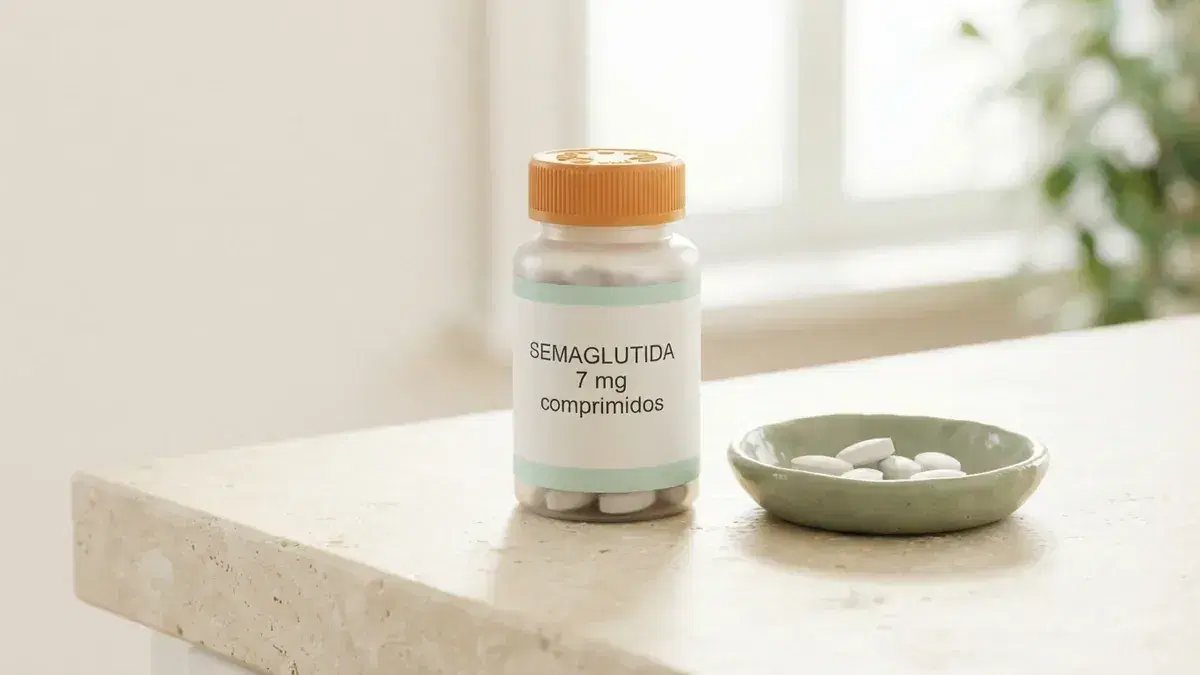
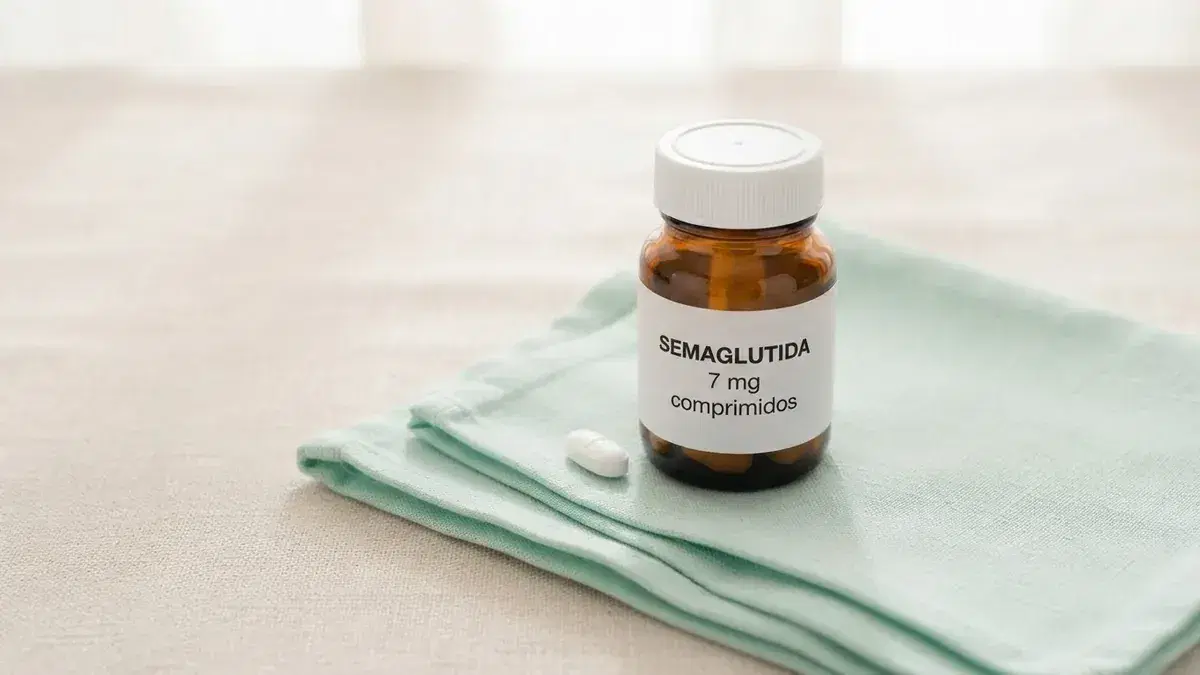
Many effective weight management medications, such as GLP-1 receptor agonists (e.g., Semaglutide or Tirzepatide), work by mimicking natural hormones that regulate appetite and blood sugar. They help you feel fuller, reduce cravings, and slow stomach emptying, leading to reduced calorie intake. This isn't a quick fix; these medications support your body's natural processes, making it easier to adhere to a healthy diet and lifestyle.
Realistic timelines show that significant weight loss typically occurs over several months, with dosages gradually increasing. Expect steady progress rather than instant results. These medications are most effective when combined with lifestyle changes, not as a standalone solution.
Side effects and when to stop
Like all medications, weight management treatments can have side effects. Common ones include nausea, vomiting, diarrhea, or constipation, especially when starting treatment or increasing the dose. These often lessen over time. It's crucial to report any severe or persistent side effects to your doctor. Red flags that might prompt you to stop or seek immediate medical advice include severe abdominal pain, persistent vomiting, or symptoms of pancreatitis. Your Hi-Doctor will provide detailed information on potential side effects specific to your prescribed medication.
Why Hi-Doctor vs. walking into a clinic
- Speed: Get your prescription in under 24 hours from Hi-Doctor, compared to weeks of waiting for a clinic appointment.
- Price: €25 every 28 days or €35 one-off for our online consultation. No hidden fees, no variable costs, and a money-back guarantee if treatment isn't approved. Clinic visits can be far more expensive.
- Privacy: Everything happens in your secure, RGPD-compliant Hi-Doctor account. No waiting rooms, no reception desks, just private chat with your doctor.
- Convenience: Consult from anywhere, anytime, using your phone or computer. No travel, no time off work.
Join over 50,000 satisfied patients who trust Hi-Doctor, reflected in our 4.8 Trustpilot rating. Our EU-licensed doctors are here to help.
COMMON QUESTIONS
Frequently asked questions
If the doctor determines the treatment is not appropriate for you, your consultation fee is refunded automatically. You pay nothing if the treatment isn't approved, making it a no-risk consultation.